■■■■■모방 중시는 경쟁과 갈등, 차별, 정신분열을 야기하므로 다름, 차이 중시해야 - GILLES DELEUZE(질 들뢰즈)
작성자석수작성시간25.11.01조회수58 목록 댓글 0모방, 닮음 보다는 덜닮음, 다름, 차이를 중시해야 자유롭고 다양하고 건강하고 양극 조화로운 사회가 된다
모범이나 이상적 모델, 이상적 경전을 정해 놓고 경쟁적으로 따를 것을 강요하는 것은 갈등과 차별, 정신분열을 야기한다
이미 붕괴된 공산주의든
현재 활개치는 자본주의든
사회를 통일되고 획일적으로 만들려는
날 따르라
날 닮으라
이런 사유들을 비판하는 게 들뢰즈의 기본적인 생각이다
스피노자는 철학의 그리스도이다 - 들뢰즈
죽을 때도 차이나게(남다르게) 70세에 아파트 투신으로 환원함으로써 죽을 때까지도 자신의 철학을 몸소 실천했다
Schizoanalysis
= Analysis of split subconsciousness
정신분열분석 즉, '분열무의식 분석' 은 질서있는 융합된 하나의 무의식에 초점을 맞춘 기존 정신분석과 달리, **들뢰즈와 과타리가 제안한 무질서한 분열분석(Schizoanalysis)**을 의미한다
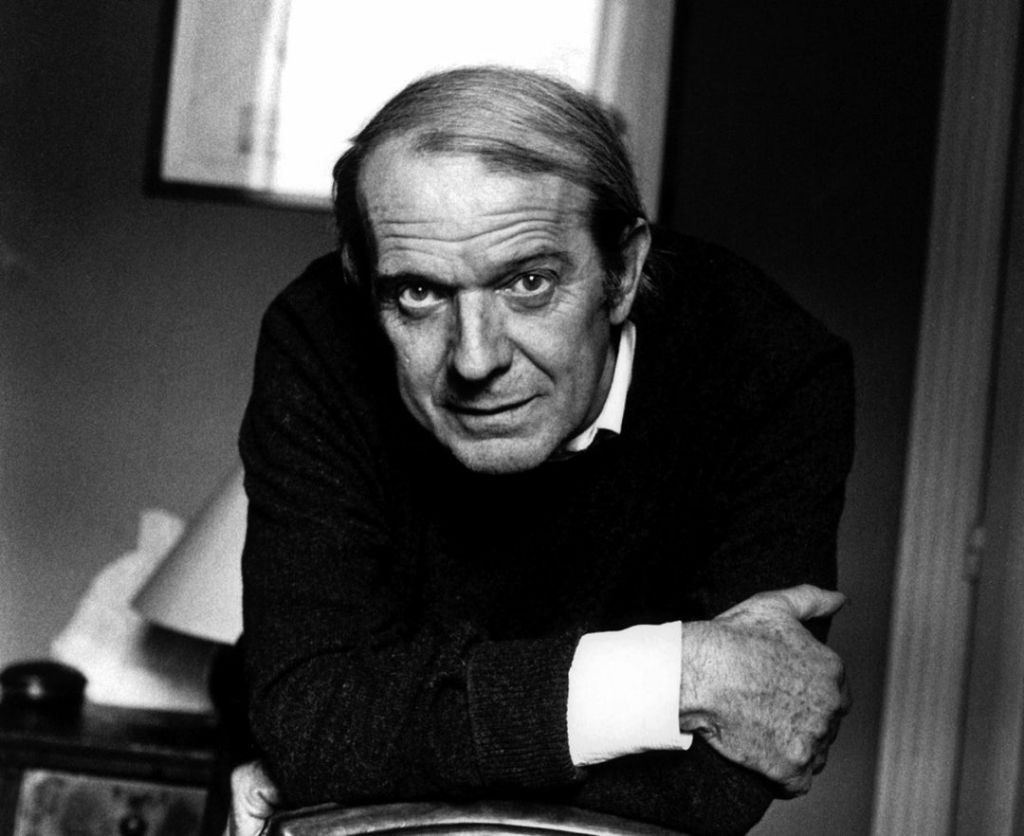
GILLES DELEUZE(질 들뢰즈)
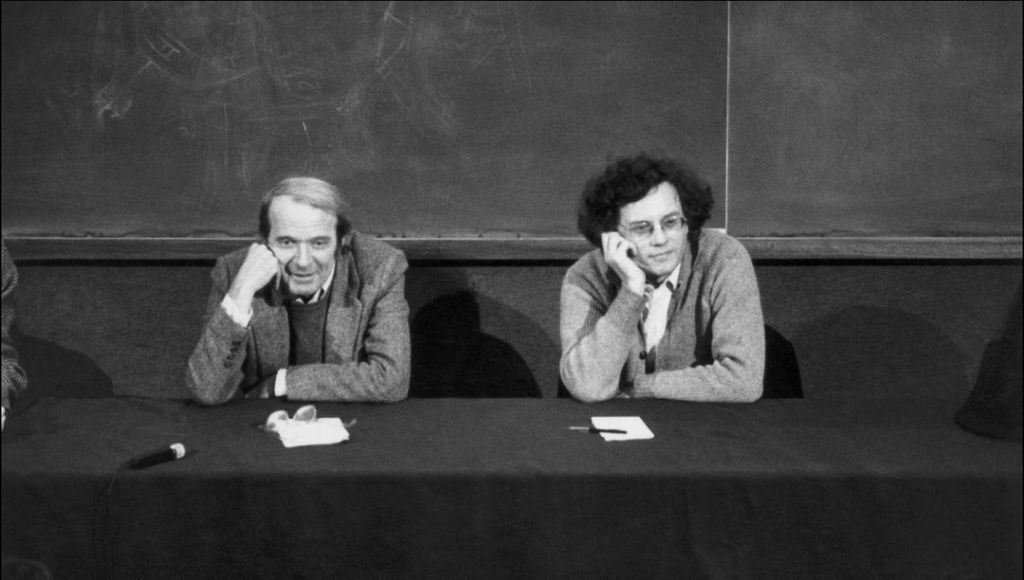
들뢰즈와 과타리
질 들뢰즈(프랑스어: Gilles Deleuze, 1925.1.18 ~ 1995.11.4)는 20세기 후반 프랑스의 철학자, 사회학자, 작가이다.
1960년대 초부터 1995년 사망할 때까지, 들뢰즈는 철학, 문학, 영화, 예술 분야에서 영향력 있는 저작들을 썼다.
Plato and the Simulacrum
플라톤과 시뮬라크르
Difference and Repetition
차이와 반복
가장 인기를 누린 책들은 펠릭스 과타리와 함께 쓴 《안티 오이디푸스 - 자본주의와 정신분열증》(1972년)와 《천 개의 고원: 자본주의와 정신분열증 2》(1980년)가 있다.
Deleuze's essay Plato and Simulacrum attempts to reverse the the Platonic influence dominating in the philosophy/sophistry dichotomy.
How might we experience something and yet call some aspect of that experience false? Sophists adopt relativism to handle the problem - overturned 'truth' only seems paradoxical because we are bound to subjective perspective; as perspective changes truth changes. Plato adopts/creates absolutism to handle the problem - there are Forms and 'instantiations' of the forms that have varying 'proximity' to the Forms, so that truth is objectively judged (in a relation only to the Forms and not people's perspectives).
Where the Sophists try to legitimize conflicting views (a belief and its contrary are true), Plato tries to legitimize only one view. The argument is then over legitimacy and who has authority. Deleuze points out that the domain of this contented authority is the realm of similarity and difference. To see where the Sophists and Plato disagree in their values of similarity and difference, it is necessary to see the discrimination in action, at the level of the arguments' structures.
Plato and the Sophists are alike in their structure of explaining truth, through a triad of the "Unparticipated", participated, and participant. The Unparticipated has a primary status in relation to the participated, whereas the participant is related to the participated only secondarily because it must go through the authority of the Unparticipated. (Deleuze gives analogy to this triad by the image of the Father, the daughter, and the fiance.) The Sophists fulfill this triad with the Subject, truth, and appearance, while Plato fulfills the triad with the Forms, truth, and instantiations. The struggle between the authorities of the Subject and the Forms is made clear through an evaluation of the role that both instantiations and appearance play:
Instantiations and appearances play the role of the imminent; we confront the appearance of a thing in confronting the thing, we confront the instantiation of a thing in confronting its Form. The role of the imminent, here as the participant, stands to be judged by the Unparticipated. For the Sophist, the appearance of a thing contains the truth as far as the Subject allows. For Plato, the instance of a thing is true insofar as it corresponds to the Forms. But what should compel a person to choose either side of this authority struggle? Bias in the primacy of similarity over difference causes Plato to stick with the Forms. We can see that the participant in both triads is a copy, but each participant is a special kind of copy. For appearance, the copy is marked by its difference to a thing; a thing is different from its appearance. For instantiation, the copy is marked by its similarity to a thing, its 'proximity' to the Forms. (This is heavily evident in Plato's Sophist but present in Philebus as well.)
What's the problem with a philosophy of similarity? Phallocentrism, which blinds a person to the truth and power that can be found in simulacra. Plato tries to preserve the authority of the Father, the Unparticipated, by making it regulate the relationship between daughter and fiance. Deleuze rejects this authority and goes straight for buggery (uh, metaphorically). It is the divergent that is prior to similarity; difference is permissive and enabling. Through a deconstruction of Platonism the simulacrum are made real, the virtual gains efficacy, and the cost is small, "the most innocent of all destructions, the destruction of Platonism."
As a young academic, Deleuze does not publish, instead teaching at the lycée. A sober, jocular young man, he still belongs to his family's bourgeoisie: black ‘Submariner’ turtlenecks, dark double-breasted suits and slim ties.
From 1962 onwards, Deleuze comes out: nine books in seven years. Nietzsche, Kant, Proust, Bergson - Sacher-Masoch.
He meets Guattari: 4 books, 1500 pages. The clothes grow looser: work jackets,
button-downs, black or olive-coloured flared trousers - Deleuze is a sign of the times.
He adopts an accessory that will leave him a nickname: ‘the philosopher with the hat’. A taupe, brown or black felt hat; sometimes even white straw with a black band.