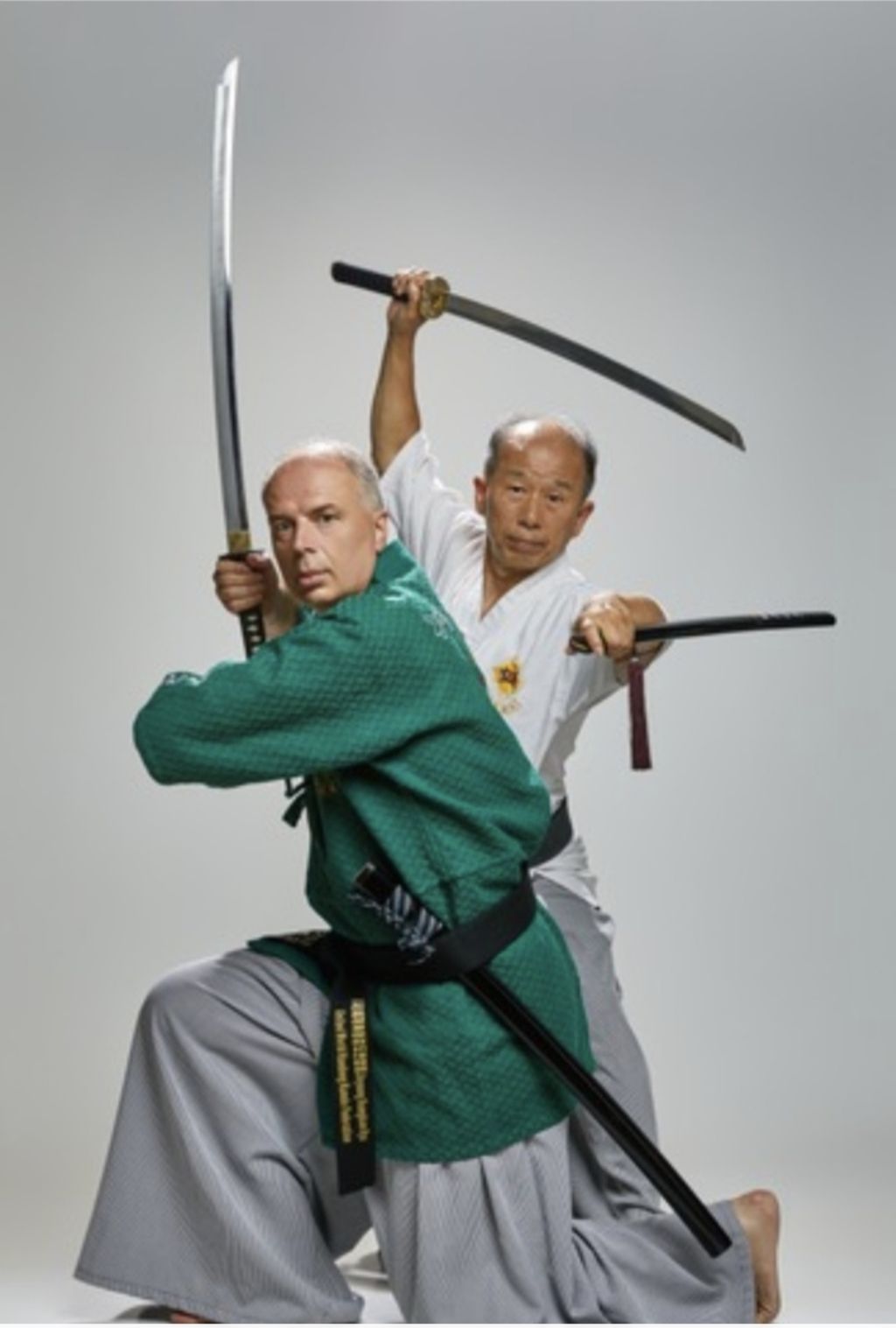
Essay of Victor Baytchev, 4 dan candidate in Sofia, Bulgaria 🇧🇬
작성자HAEDONG작성시간25.07.17조회수1,298 목록 댓글 0■ Essay written by Victor Baytchev, 4 dan candidate
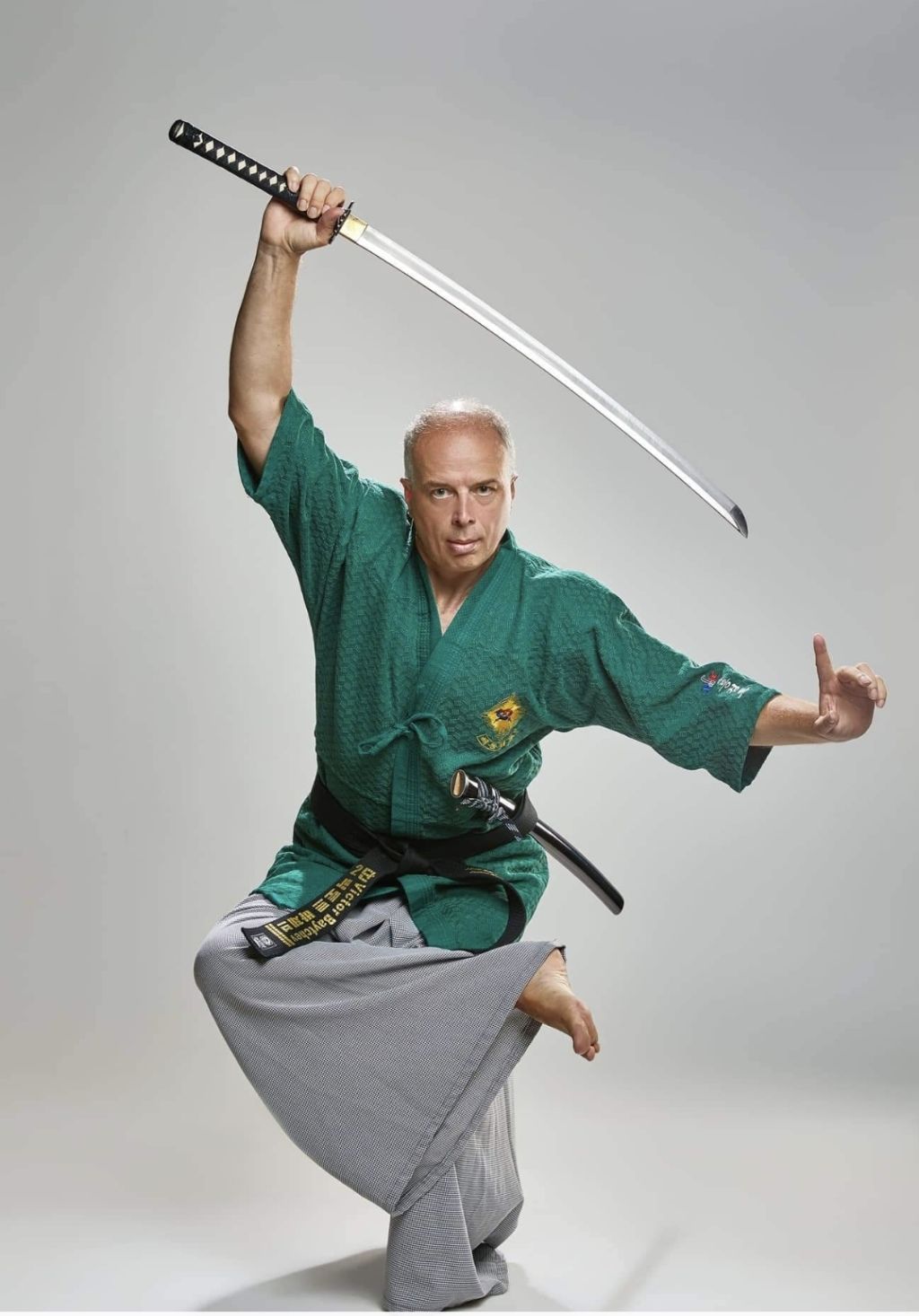
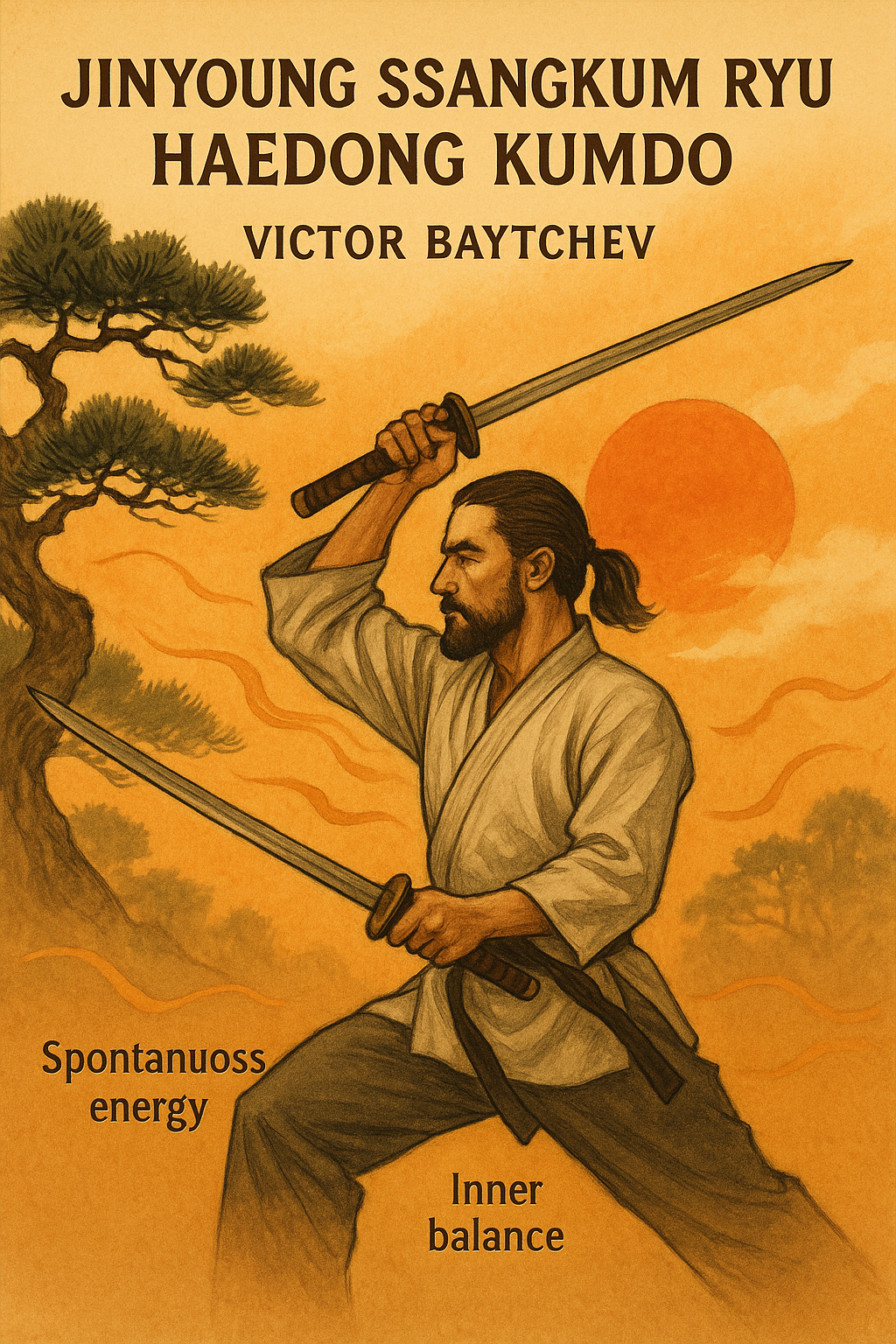
The martial art of Haedong Kumdo and its unique school of Jinyoung Ssangkum Ryu embody far more than mere sword techniques.
They represent a comprehensive path toward a deeper understanding of life, self-cultivation, healing, and harmony with nature.
Rooted in Korean martial traditions, these systems transcend the boundaries of physical training and
present a powerful philosophy that unites the body, mind, and spirit.
At the heart of Jinyoung Ssangkum Ryu lies a profound commitment to integrating dual-sword techniques with internal development. Founded by Grandmaster Kim Jeong-Seong, this school is not only distinct for its two-sword practice introduced from the beginning of training, but for its systematic cultivation of internal energy through a practice
known as Kimu.
This form of energy meditation and breathing is described as "philosophy
written through the body," enabling practitioners to harmonize their physical actions with internal awareness and universal rhythms.
The art's foundation emphasizes not only mastery of skill but also the embodiment of truth, excellence, and loving-kindness in every movement.
In Jinyoung Ssangkum Ryu, movement is more than a martial gesture-it is a reflection of
the natural order. The way the swords move mirrors the patterns of wind, water, and flowing branches, encouraging practitioners to flow with nature, not against it.
This connection with the natural world reminds us that our human form is not isolated but exists as a part of a much greater system. Through disciplined practice, one learns to feel and adapt to these subtle flows, becoming more intuitive, responsive, and balanced in both martial application and daily life.
Martial arts here are not practiced solely for combat efficiency.
They are a living philosophy, meant to heal, awaken, and transform. The training combines the physical rigor
of swordsmanship with a deeply meditative and therapeutic approach. Kimu practice, for instance, encourages deep breathing and bodily alignment, quieting the mind and centering the spirit.
This cultivation of internal stillness has a direct impact on health-reducing stress, improving posture, enhancing energy circulation, and creating emotional balance.
More
importantly, it enables the practitioner to connect to others with sincerity and empathy.
Thus, healing is not just self-directed; it becomes something one can offer to others through presence, compassion, and touch.
A central tenet of this martial path is the integration of skill, philosophy, and healing into a unified whole.
Sword techniques are taught not only as technical sequences but as
expressions of ethical and spiritual truths.
Students are encouraged to internalize virtues such
as respect, courage, sincerity, and benevolence.
They are taught to overcome the "Four
Poisons" of martial discipline-surprise, fear, doubt, and confusion-not through force, but
through awareness and calm.
Such internal clarity leads to better technique, but more importantly, it leads to better living. When one becomes aware of how energy flows within and around the body, it becomes easier to act without aggression, speak without harm, and
make decisions free of ego or haste.
These teachings reflect an understanding of how the human being evolves over a lifetime-from youth's ambition through adulthood's responsibility into the wisdom of old
age. Martial arts provide a framework to engage with these phases consciously.
Early in practice, the focus may lie in form and precision;
over time, however, the emphasis naturally shifts toward subtlety, inner awareness, and ultimately, healing.
One begins to see that martial skill without wisdom is incomplete.
The higher goal is not victory, but
harmony-within the self and with the larger rhythms of life.
This path invites a deeper exploration of the creative potential of the human mind.
Once a practitioner internalizes the forms and movements, they begin to transcend them. The dual swords become extensions of consciousness. Movements flow not from memory, but from presence.
This creative spontaneity marks a shift into a higher state of martial realization-where action arises from stillness, and intention manifests without effort.
In this state, sword training becomes a form of moving meditation, a means of discovering truth not through words, but through embodied action.
An essential aspect of such practice is the cultivation of emotional clarity and moral integrity. Swords are powerful tools-and without internal discipline, they risk becoming
mere weapons of ego.
Thus, Haedong Kumdo insists that a martial artist must be kind,
sincere, and free from anger.
These are not mere ideals, but practical necessities. Anger disrupts breathing, shortens reaction time, and blinds the mind. Sincerity, by contrast, keeps the breath deep, the posture centered, and the perception clear.
Through consistent training
in breath, movement, and awareness, practitioners learn to transform their emotional patterns, becoming more compassionate, understanding, and resilient.
This transformation is closely tied to the interplay between body, mind, and spirit.
Unlike systems that treat these as separate domains, Jinyoung Ssangkum Ryu sees them as
intrinsically connected.
The body expresses the mind; the mind reflects the spirit; and the
spirit infuses the body with purpose.
Every movement is thus a triadic act: a physical gesture guided by thought and elevated by intent.
When these dimensions work together, the practitioner experiences an effortless flow-a harmony that transcends mere skill and touches
on the sacred.
Through this lens, even meditation takes on a different meaning. It is not a passive withdrawal from the world, but an active, alert engagement with the inner and outer realities of life.
To meditate in alignment with nature is to breathe with the seasons, to move with the tides of one's own energy, to release attachment and greed as one exhales tension from the
body.
This form of meditation refines the senses and attunes the practitioner to the subtle interconnections between all things.
Such awareness naturally leads to questions of purpose and love.
What is the ultimate purpose of human life? What is the reality of love?
Martial arts, at this level, offer no easy answers-but they provide a way of living the questions. The path itself becomes the answer.
When one moves with integrity, heals with intention, and respects the sacredness of life, love is not something to be sought-it is something one becomes.
The martial artist then is not a
warrior in opposition, but a guardian of balance, a practitioner of peace.
Ultimately, the teachings of Jinyoung Ssangkum Ryu and Haedong Kumdo point toward living as an integrated human being-strong yet compassionate, disciplined yet free, grounded in tradition yet open to creativity.
Through the sword, we learn not only how to move, but how to be. We are shown how to meet life's challenges with grace, how to refine the self
through disciplined practice, and how to offer healing and harmony in a world that deeply needs both.
In this way, martial arts become a profound spiritual path. One learns not just to cut with precision, but to live with presence.
Through breath, movement, and ethical clarity, we align with the rhythms of nature and the wisdom of the spirit. And in doing so, we discover that the greatest victory is not over others-but over the disharmony within ourselves.
In Korean 한글 번역
📘 해동검도의 무예정신과 진영쌍검류가 지닌 독자성
작성자: 빅터 베이체브 (Victor Baytchev), 4단 심사 지원자
해동검도, 그리고 그 안의 독자적 수련 체계인 진영쌍검류는 단순한 검술 기술을 넘어서는 깊은 의미를 지닌다.
이들은 삶에 대한 통찰, 자기 수양, 치유, 그리고 자연과의 조화를 향한 통합적 수련의 길을 제시한다.
한국 무예의 전통에 뿌리를 두고 있지만, 단순한 신체 훈련을 넘어서 몸과 마음, 정신을 하나로 연결하는 철학적 길을 함께 품고 있다.
진영쌍검류의 핵심에는 두 자루의 검을 다루는 기술과 함께, 내면의 수련을 결합하려는 깊은 의지가 있다.
김정성 총재에 의해 창시된 이 체계는,
수련 초기에부터 쌍검을 도입한다는 점 외에도 ‘기무(Kimu)’라 불리는 에너지 명상과 호흡 훈련을 통해 내적 에너지의 체계적 함양을 강조한다.
기무는 "몸을 통해 써 내려가는 철학"이라 할 수 있으며, 이를 통해 수련자는 자신의 움직임을 내면의 인식과 우주의 리듬과 조화시키게 된다.
진정한 무예란 단순한 기술 숙련을 넘어서, 진리와 탁월함, 사랑과 자비의 체현임을 강조한다.
진영쌍검류에서는 움직임 자체가 단순한 동작이 아니라, 자연의 질서를 반영하는 행위이다.
검의 움직임은 바람, 물, 나뭇가지의 흐름과 유사하며, 수련자는 자연과 대립하지 않고 흐름에 몸을 실을 줄 아는 자가 되어야 한다.
이는 인간이 고립된 존재가 아니라 보다 큰 생명의 순환 속 일부임을 자각하게 하는 길이기도 하다.
꾸준한 훈련을 통해 우리는 이러한 섬세한 흐름을 느끼고, 더 직관적이며 균형 잡힌 자세로 무예뿐 아니라 삶 전반에서 더욱 깨어 있는 태도를 갖추게 된다.
이러한 무예는 단순히 전투력 향상을 위한 것이 아니다.
진영쌍검류는 살리는 길이자 깨어나는 길, 변화를 위한 철학적 실천이다.
기무 수련은 깊은 호흡, 자세의 정렬, 마음의 고요함을 통해 정신을 중심으로 잡고 내면을 맑게 하는 훈련이다.
이러한 내면의 정숙은 스트레스를 줄이고, 자세를 개선하며, 에너지 흐름을 원활하게 하고, 감정의 균형을 이루게 한다.
무엇보다도, 이는 타인과 진정으로 연결되고 공감하는 힘으로 이어진다.
이러한 치유는 자기 자신에게만 머물지 않고, 존재감, 자비, 접촉을 통해 타인에게 전해지는 에너지가 된다.
이 무도는 기술, 철학, 치유를 하나의 통합된 길로 연결시키는 것을 핵심 원리로 삼는다.
검술은 단순한 기술이 아니라 도덕적이고 영적인 진리를 표현하는 몸짓이다.
수련자는 존중, 용기, 진심, 자비와 같은 덕목을 체화할 것을 권장받는다.
그리고 ‘무예의 네 가지 독(毒)’—놀람, 두려움, 의심, 혼란—을 힘으로 극복하는 것이 아니라, 인식과 고요함으로 넘어설 것을 배운다.
이러한 내면의 명료함은 기술 향상으로 이어질 뿐 아니라, 더 나은 삶을 이끄는 근간이 된다.
수련의 흐름은 인간의 삶의 주기와 맞닿아 있다.
청년기에는 형과 기술에 집중하지만, 시간이 흐를수록 세밀함, 내면의 인식, 그리고 궁극적인 치유로 초점이 자연스레 옮겨간다.
무예는 단지 기술을 배우는 것이 아니라, 삶의 변화와 성숙의 단계를 의식적으로 살아가는 틀이 된다.
수련이 깊어지면, 형은 외워서 움직이는 것이 아니라 의식의 흐름 속에서 저절로 드러나는 창조적 움직임으로 전환된다.
검은 의식의 연장이 되며, 기억이 아닌 지금 이 순간의 존재감에서 움직임이 솟아난다.
이는 더 높은 경지의 무예 인식이며, 움직이는 명상이라 할 수 있다.
말이 아닌 몸으로 진리를 발견하는 길이다.
이러한 수련에서 핵심이 되는 것은 감정의 명료함과 도덕적 중심이다.
검은 매우 강력한 도구이기에, 내면의 훈련 없이 사용할 경우 자아의 도구로 전락할 위험이 있다.
그래서 해동검도는 무예인은 반드시 친절하고, 진실하며, 분노로부터 자유로워야 한다고 강조한다.
이것은 이상이 아니라, 실제 훈련에서의 필요이다.
분노는 호흡을 망가뜨리고, 반응 속도를 떨어뜨리며, 인식을 흐리게 만든다.
반면 진심은 호흡을 깊게, 자세를 중심에 두며, 인식을 맑게 해 준다.
호흡과 움직임, 인식을 통해 감정을 정화하며, 더 자비롭고 이해심 깊으며 회복력 있는 존재로 거듭난다.
진영쌍검류는
몸·마음·정신의 삼위일체적 연결을 바탕으로 한다.
몸은 마음을 표현하고,
마음은 정신을 반영하며,
정신은 몸에 목적을 부여한다.
따라서 모든 움직임은 생각으로 인도되고, 의도로 승화된 신체적 표현이 된다.
이 세 차원이 조화를 이루면, 수련자는 무심(無心) 속의 흐름을 경험하며, 단순한 기술을 넘어 신성함의 차원에 이르는 무예를 실현하게 된다.
이러한 관점에서 명상은 단순히 고요히 앉아 있는 것이 아니라,
내면과 외면의 삶에 동시에 깨어 있는 적극적인 참여가 된다.
계절과 함께 숨 쉬고, 에너지의 흐름과 함께 움직이며, 집착과 욕심을 호흡과 함께 내보내는 것—그 자체가 명상이 된다.
이러한 명상은 감각을 정련시키고, 모든 존재와의 섬세한 연결을 느끼게 한다.
이러한 인식은 자연스럽게 삶의 목적과 사랑의 본질에 대한 질문으로 이어진다.
무예는 이 질문들에 즉답을 주지는 않지만, 그것들을 삶의 방식으로 살아내는 길을 제시한다.
정직하게 움직이고, 의도와 함께 치유하며, 삶의 신성함을 존중하는 태도 속에 사랑은 찾아야 할 대상이 아니라, 그 자체가 되는 상태로 드러난다.
이때 무예인은 더 이상 투쟁의 전사가 아니라, 균형을 지키는 자이자 평화를 실천하는 자가 된다.
결국 진영쌍검류 해동검도의 가르침은 우리에게 이렇게 말한다:
강하지만 자비롭고, 규율 있지만 자유롭고, 전통에 뿌리를 두되 창조적으로 열린 존재가 되라.
검을 통해 우리는 단지 움직이는 법만이 아니라, 존재하는 법을 배운다.
우리는 삶의 도전을 우아하게 마주하고, 수련을 통해 자아를 정련하며, 세상에 치유와 조화를 선사하는 길을 배운다.
이처럼 무예는 깊은 수행의 길이 된다.
우리는 단지 정확히 벨 줄 아는 존재가 아니라, 깨어 있는 자로 살아가는 법을 익힌다.
호흡, 움직임, 도덕적 명료함을 통해 자연의 리듬과 영적 지혜에 자신을 조율해 나간다.
그리고 마침내 깨닫는다—진정한 승리는 타인에 대한 승리가 아니라, 내면의 혼란을 넘어선 조화에 있다는 것을.
-------
■ Response to Victor Baytchev’s 4th Dan Essay
Dear Victor,
Your essay shows not only technical growth but deep understanding of the path we walk as martial artists. Your reflections on Kimu, healing, and harmony with nature reveal maturity and sincerity.
You’ve clearly embodied the idea that the sword is not just a tool, but a way to awaken presence and serve others with compassion.
Continue your journey with calm and integrity. You are no longer just a practitioner—you walk as a warrior with purpose and wisdom.
Jeong Seong, Kim
Founder & President
Jinyoung Ssangkum Ryu ☆ United World Haedong Kumdo Federation
---
🇰🇷 한글
빅터 베이체프 4단 심사 에세이에 대한 답변
빅터에게,
당신의 글에는 단순한 기술을 넘은 깊은 철학적 통찰이 담겨 있습니다. 기무 수련과 치유, 자연과의 조화에 대한 성찰은 성숙한 마음을 보여줍니다.
당신은 검을 단순한 도구가 아닌, 존재의 자각과 타인에게 치유를 전하는 길로 받아들이고 있습니다.
이 길을 차분하고 진정성 있게 계속 걸어가길 바랍니다. 이제 당신은 단순한 수련자가 아닌, 목적과 지혜를 지닌 무도인의 길을 걷고 있습니다.
진영쌍검류 ☆ 세계해동검도연합회
창시자 · 총재 김정성