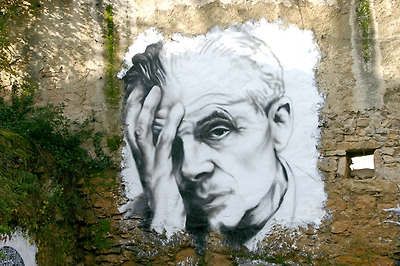
Self-knowledge
자기 이해
In other living creatures ignorance of self is nature ;
in man it is vice.
Boethius
살아있는 다른 피 창조물에게는 자기에 대한 무지가 본성이지만,
인간에게는 악덕이다.
– 보이티우스
VICE may be defined as a course of behaviour consented to by the will and having results which are bad, primarily because they are God-eclipsing and, secondarily, because they are physically or psychologically harmful to the agent or his fellows.
Ignorance of self is something that answers to this description.
의지에 의해 동의되고 그 결과가 나쁜 일련의 행동을 악덕으로 정의할 수 있을 것이다.
왜냐하면 첫째로 악덕은 신을 가리우기 때문이고,
둘째로는 그것을 저지른 사람이나 그의 동료들에게
신체적으로나 심리적으로 해를 끼치기 때문이다.
자기에 대한 무지가 이런 설명에 답을 준다.
In its origins it is voluntary ; for by introspection and by listening to other people's judgments of our character we can all, if we so desire, come to a very shrewd understanding of our flaws and weaknesses and the real, as opposed to the avowed and advertised, motives of our actions.
악덕은 자발적으로 시작된다.
내적 성찰을 통해서, 타인들이 우리 성격을 판단하는 내용을
들어봄으로써, 원한다면 우리는 우리의 결점과 약점 그리고
우리가 한 행동의 공공연하면서도 알려진 동기에 반하는
실제 동기에 대해 매우 통찰력 있는 이해가 가능하다.
If most of us remain ignorant of ourselves, it is because self-knowledge is painful and we prefer the pleasures of illusion.
우리 대부분이 자기 자신에 대해 무지한 이유는 자기이해가
고통스러우며 우리가 환상의 쾌락을 좋아하기 때문이다.
As for the consequences of such ignorance, these are bad by every criterion, from the utilitarian to the transcendental.
Bad because self-ignorance leads to unrealistic behaviour and so causes every kind of trouble for everyone concerned; and bad because, without self-knowledge, there can be no true humility, therefore no effective self-naughting, therefore no unitive knowledge of the divine Ground underlying the self and ordinarily eclipsed by it.
공리주의에서 초월주의자에 이르기까지 모든 기준에서 볼 때
그런 무지의 결과는 좋지 않다.
자기무지는 비현실적인 행동으로 이끌기에 그러므로 관련된
모든 사람들에게 온갖 종류의 말썽을 초래한다.
또한 자기이해가 없으면 진정한 겸손이 있을 수 없고 따라서
효과적으로 자기를 부정할 수 없으며, 자아에 내재하며 자아로 인해 가려진 신성한 근본바탕과 결합하는 앎이 없기에
좋지 못하다.
The importance, the indispensable necessity, of self-knowledge has been stressed by the saints and doctors of every one of the great religious traditions.
To us in the West, the most familiar voice is that of Socrates.
More systematically than Socrates the Indian exponents of the Perennial Philosophy harped on the same theme.
모든 위대한 종교 전통의 성자들과 학자들은 자기이해의 중요성을 강조하고 있으며 자기이해가 없어서는 안될 필수요건으로
간주하고 있다.
서구에 살고 있는 우리에게는 소크라테스의 목소리가 가장 친숙하게 느껴진다.
영원의 철학을 신봉하는 인도인들은 소크라테스보다 더 체계적으로 동일한 주제에 대해 반복해서 말했다.
There is, for example, the Buddha, whose discourse on 'The Setting-Up of Mindfulness' expounds (with that positively inexorable exhaustiveness characteristic of the Pali scriptures) the whole art of self-knowledge in all its branches knowledge of one's body, one's senses, one's feelings, one's thoughts.
붓다가 그 예로서, <마음 챙김의 확립: 염처경念處經>에서의
논설은 신체. 감각. 느낌. 생각의 전 분야에 있어서 자기이해에
관한 모든 방법을 팔리 경전의 특징인 절대 변치 않는 철저함으로 상세하게 설명하고 있다.
This art of self-knowledge is practised with two aims in view.
The proximate aim is that 'a brother, as to the body, continues so to look upon the body, that he remains ardent, self-possessed and mindful, having overcome both the hankering and dejection common in the world.
And in the same way as to feelings, thoughts and ideas, he so looks upon each that he remains ardent, self-possessed and mindful, without hankering or dejection.'
이런 자기이해의 기술은 두 가지 목적을 염두에 두고 있다.
직접적인 목적은 다음과 같다.
‘수행자는 신체와 관련해서 지속적으로 몸身을 관찰하면서 열심히 침착하게 마음 챙김 하여 세상에 흔한 갈망과 실의를 극복한다.
느낌受, 생각心, 개념法들에 대해서도 그는 각각을 관찰하여
갈망하거나 좌절하지 않고 열심히 침착하게 마음 챙김 한다. ‘
Beyond and through this desirable psychological condition lies the final end of man, knowledge of that which underlies the individualized self.
In their own vocabulary, Christian writers express the same ideas.
이렇듯 바람직한 심리적 조건 너머에는 인간의 최종 목표,
개체화된 자아 밑에 깔려있는 것에 대한 이해가 있다.
그리스도교 저자들은 자신들만의 용어로 똑 같은 생각을
표현하였다.
A man has many skins in himself, covering the depths of his heart. Man knows so many things ; he does not know himself.
Why, thirty or forty skins or hides, just like an ox's or a bear's, so thick and hard, cover the soul.
Go into your own ground and learn to know yourself there.
Eckhart
인간 속에는 가슴의 심연을 덮고 있는 수많은 피부가 있다.
인간은 많은 대상을 알고 있지만 스스로는 알지 못한다.
30~40개의 피부 혹은 껍질들이 황소나 곰처럼 매우 두껍고
단단하게 영혼을 덮고 있다.
그대 자신의 바탕으로 가서 거기에서 스스로를 알라.
에크하르트
Fools regard themselves as awake now so personal is their knowledge. It may be as a prince or it may be as a herdsman, but so cock-sure of themselves !
Chuang Tzu
어리석은 자들은 스스로 현재 깨어있다고 느낀다.
그들의 이해는 매우 개인적인 것이다.
왕자이든 목동이든 간에 그들은
스스로에 대해 자신만만해한다.
장자
This metaphor of waking from dreams recurs again and again in the various expositions of the Perennial Philosophy.
In this context liberation might be defined as the process of waking up out of the nonsense, nightmares and illusory pleasures of what is ordinarily called real life into the awareness of eternity.
꿈에서 깨어난다는 이런 식의 은유는 영원히 철학에 대한 다양한 설명에서 반복해서 나타난다.
이런 맥락에서 보면 해방이란 난센스, 악몽, 보통 진정한 삶이라고 부르는 것이 가지는 환상적 즐거움에서 깨어나 영원성의 자각으로 진입하는 과정으로 정의할 수 있다.
The ' sober certainty of waking bliss ' that wonderful phrase in which Milton described the experience of the noblest kind of music comes, I suppose, about as near as words can get to enlightenment and deliverance.
밀턴이 가장 고상한 음악을 경험하면서 서술했던 멋진 구절,
‘깨어있는 지복이 주는 냉철한 확실성’이 아마도 깨달음과
해방을 가장 가깝게 설명한 표현일 것이다.
Thou (the human being) art that which is not.
I am that I am.
If thou perceivest this truth in thy soul,
never shall the enemy deceive thee;
thou shalt escape all his snares.
St. Catherine of Siena
그대(인간)는 그대가 아닌 것이다.
‘나는 스스로 있는 자이다.’
그대의 영혼 속에서 이 진실을 자각한다면 적들이 그대를 속이지 못할 것이며, 그대는 그들의 유혹에서 벗어날 수 있을 것이다.
시에나의 성 카타리나
Knowledge of ourselves teaches us whence we come, where we are and whither we are going. We come from God and we are in exile; and it is because our potency of affection tends towards God that we are aware of this state of exile.
Ruysbroeck
우리 자신에 대한 이해는 우리가 어디에서 왔으며,
어디에 있고, 어디로 가는지를 알려준다.
우리는 신으로부터 왔고, 유배 중이다.
우리들 사랑의 힘은 신을 향하는 경향이 있기 때문에,
이런 유배 상태를 의식하고 있다.
로이스부르크
Spiritual progress is through the growing knowledge of the self as nothing and of the Godhead as all-embracing Reality.
(Such knowledge, of course, is worthless if it is merely theoretical;
to be effective, it must be realized as an immediate,
intuitive experience and appropriately acted upon.)
자기를 아무것도 아닌 것으로, 점차 신성을 모든 것을 포괄하는 절대 실상으로 알아갈 때 영적 진보가 일어난다.
(물론 그런 이해가 이론적인 데에 그친다면 쓸모가 없다.
그것이 효과를 갖기 위해서는 직접적이고 직관적인 경험으로
그것을 깨달아야만 하고 거기에 걸맞게 행동해야 한다.)
Of one great master of the spiritual life Professor fitienne Gilson writes: 'The displacement of fear by Charity by way of the practice of humility in that consists the whole of St. Bernard's ascesis, its beginning, its development and its term.'
영적인 삶의 위대한 스승인 에티엔 질송 박사는 다음과 같이
쓰고 있다.
‘겸손을 수행함으로써 공포를 자비로 바꾸는 것,
거기에 성 베르나르가 말씀하신 자기단련의 전부,
그 시작과 발달 및 종결이 있다.”
Fear, worry, anxiety these form the central core of individualized selfhood. Fear cannot be got rid of by personal effort, but only by the ego's absorption in a cause greater than its own interests.
공포, 불안, 염려들이 개체화된 자아의 핵심을 형성한다.
개인적인 노력으로는 공포를 없앨 수 없으며, 에고가 개인적인 관심보다 더 큰 원인에 몰입함으로써만 가능하다.
Absorption in any cause will rid the mind of some of its fears; but only absorption in the loving and knowing of the divine Ground can rid it of all fear. For when the cause is less than the highest, the sense of fear and anxiety is transferred from the self to the cause as when heroic self-sacrifice for a loved individual or institution is accompanied by anxiety in regard to that for which the sacrifice is made.
어떤 원인이든 거기에 몰입함으로써 공포의 마음이 일부 사라질 것이다.
그러나 신성한 근본 바탕을 사랑하고 아는 데 몰입하는 것은
모든 공포를 사라지게 할 수 있다.
왜냐하면, 그 원인이 최고의 것이 아니라면 공포감과 불안감은 자아로부터 그 원인에게로 전이되기 때문인데, 이는 사랑하는
개인이나 단체를 위한 영웅적인 자기희생이 그 희생을 감수한
대상과 관련된 불안을 수반하는 것과 마찬가지다.
Whereas if the sacrifice is made for God, and for others for God's sake, there can be no fear or abiding anxiety, since nothing can be a menace to the divine Ground and even failure and disaster are to be accepted as being in accord with the divine will.
반면에 신을 위해서, 신의 이름으로 타인을 위해 희생을 감행했다면,
공포나 지속적인 불안이 있을 수 없다.
왜냐하면 신성한 근본바탕에는 어떤 것도 위험이 될 수 없는데,
실패나 재앙조차도 신성한 의지에 따르는 것으로 수용되기 때문이다.
In few men and women is the love of God intense enough to cast out this projected fear and anxiety for cherished persons and institutions. The reason is to be sought in the fact that few men and women are humble enough to be capable of loving as they should. And they lack the necessary humility because they are without the fully realized knowledge of their own personal nothingness.
소중히 간직한 사람이나 단체에게 공포와 불안을 투사하지 않을 만큼 신에 대한 사랑이 강력한 사람은 지극히 드물다.
그들에게는 필요한 겸손함이 부족한데 왜냐하면 개인적으로
자신은 아무것도 아님을 충분히 깨닫지 못했기 때문이다.
Humility does not consist in hiding our talents and virtues, in thinking ourselves worse and more ordinary than we are, but in possessing a clear knowledge of all that is lacking in us and in not exalting ourselves for that which we have, seeing that God has freely given it us and that, with all His gifts, we are still of infinitely little importance.
Lacordaire
겸손함이란 우리의 재능과 미덕을 숨기거나 스스로를 실제보다 더 나쁘고 평범하다고 생각하는 데 있지 않고, 우리 속에 부족한 모든 것을 분명하게 알고, 신께서 우리가 가진 것을 우리에게
무상으로 주셨으며,
그분께서 주신 모든 재능에도 불구하고 우리는 여전히 전혀 중요하지 않다는 사실을 알고 거기에 대해 스스로를 높이지 않는 데 있다.
라코르데르
As the light grows, we see ourselves to be worse than we thought.
We are amazed at our former blindness as we see issuing from our heart a whole swarm of shameful feelings, like filthy reptiles crawling from a hidden cave. But we must be neither amazed nor disturbed. We are not worse than we were; on the contrary, we are better. But while our faults diminish, the light we see them by waxes brighter, and we are filled with horror. So long as there is no sign of cure, we are unaware of the depth of our disease ; we are in a state of blind presumption and hardness, the prey of self-delusion. While we go with the stream, we are unconscious of its rapid course ; but when we begin to stem it ever so little, it makes itself felt.
Fenelon
광명이 커짐에 따라 우리는 스스로를 우리가 생각했던 것보다
더 나쁘게 본다. 마치 매우 불쾌한 뱀(파충류)이 숨겨진 굴에서 기어 나오듯 우리의 가슴으로부터 수치스러운 감정이 때 지어
솟아나는 것을 보면 우리는 이전에 가졌던 무지에 놀라게 된다.
그러나 놀라거나 혼란에 빠져서는 안 된다.
우리는 예전보다 더 나빠진 것이 아니라 더 좋아진 것이다.
결점이 줄어들면 결점을 보게 한 빛이 더 밝아져서 우리는 공포로 가득 차게 된다. 치료가 되는 징후가 없다면 우리는 질병이
얼마나 깊은지 알지 못한다. 우리는 맹목적인 추론과 고집스러운 상태에 빠져 자기기만의 먹이가 된다.
흐름을 따르는 동안에는 흐름이 빠르다는 것을 모른다.
아무리 적을지라도 그 흐름을 저지하려 한다면 그 흐름이 느껴지게 된다.
페늘롱
My daughter, build yourself two cells. First a real cell, so that you do not run about much and talk, unless it is needful, or you can do it out of love for your neighbour. Next build yourself a spiritual cell, which you can always take with you, and that is the cell of true self-knowledge; you will find there the knowledge of God's goodness to you. Here there are really two cells in one, and if you live in one you must also live in the other; otherwise the soul will either despair or be presumptuous. If you dwelt in self-knowledge alone, you would despair; if you dwelt in the knowledge of God alone, you would be tempted to presumption. One must go with the other, and thus you will reach perfection.
St. Catherine of Siena
내 딸아, 스스로 두 개의 방을 만들라.
첫 번째는 진짜 현실의 방으로, 이웃을 위한 사랑이나 필요한
경우가 아니라면 바쁘게 돌아다니면서 말할 필요가 없다.
그 다음 영적인 방을 지어라.
그것은 진정한 자기이해의 방이며,
언제나 너와 함께 지니고 다닐 수 있다.
거기에서 너를 향한 신의 선하심에 대해 알게 될 것이다.
여기에서 실제로 두 방은 하나이며,
한 방에 살면 다른 방에도 살아야 한다.
그렇지 않으면 영혼은 절망하거나 거만해진다.
자기이해에만 머무른다면 절망에 빠지고,
신에 대한 앎에 머무르면 거만이라는 유혹에 빠질 것이다.
하나는 다른 하나와 함께 가야만 하며,
그러면 너희는 완전해질 것이다.
시에나의 성 카타리나
<THE PERENNIAL PHILOSOPHY 올더스 헉슬리 (Aldous Huxley)>