동맹국들이 일단 미국이 무서워서 크게 반발하고 있지는 않지만 베네수엘라 공격은 미국이 더 이상 예전의 미국이 아니며, 트럼프라는 미친놈을 관리 가능하다는 환상에서 벗어나게 만들었다는(혹은 벗어나야 한다는) 주장입니다.
트럼프의 베네수엘라 공격은 미국의 동맹국들에게도 경고가 되어야 한다
베네수엘라 사태에 대한 미온적인 대응은 동맹국들이 여전히 워싱턴과의 대립을 피하고 싶어 한다는 점을 보여준다. 그러나 대통령이 동맹국들을 MAGA 정책과 문화 정치에 맞추도록 강요하려 한다면 그러한 접근은 오래 지속될 수 없다.
전문가 논평
2026년 1월 5일 발행 —읽는 데 3분
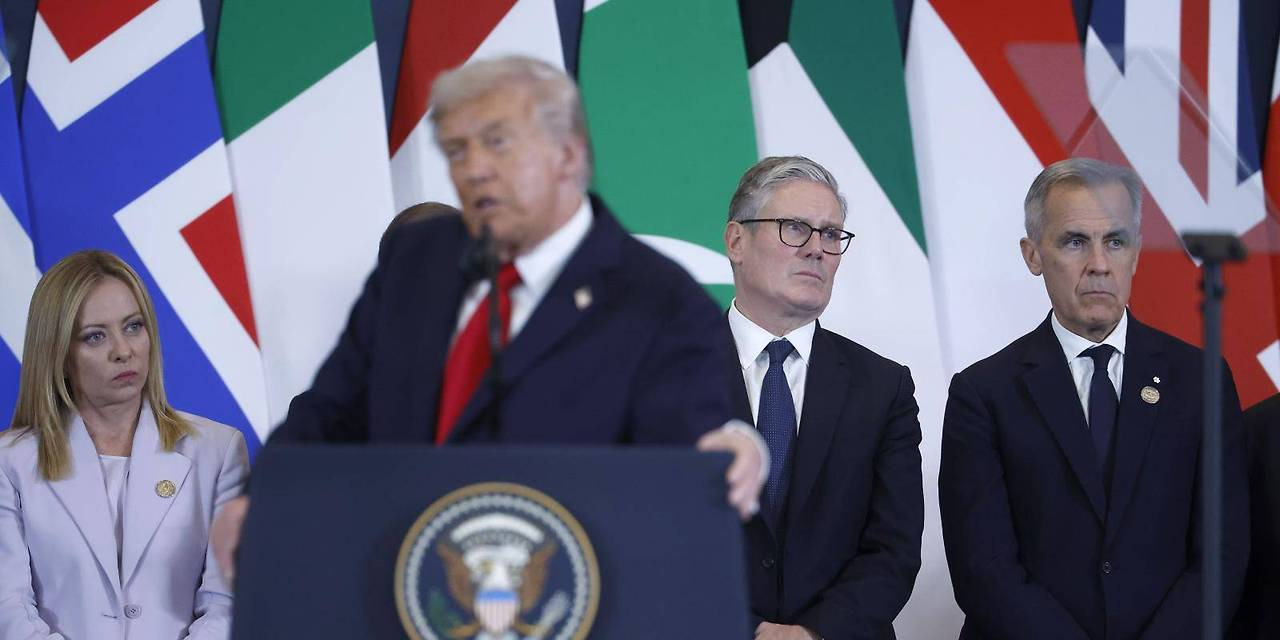
이미지 — 2025년 10월 샤름 엘 셰이크 정상회의에서 연설하는 도널드 트럼프 대통령과 이를 듣고 있는 이탈리아 총리 조르자 멜로니, 영국 총리 키어 스타머, 캐나다 총리 마크 카니. (칩 소모데빌라/게티이미지)
헤더 헐버트미국·미주 프로그램 부소장 연구원
불과 2025년 11월까지만 해도, 두 번째 트럼프 행정부에 대해 미국의 파트너 정부들이 가졌던 최악의 우려는 현실화되지 않은 듯 보였다.
서방 정부들은 우크라이나가 여전히 싸움을 이어가며 워싱턴의 지원을 받고 있다는 점, 나토가 여전히 기능하고 있고 트럼프 대통령으로부터 때때로 호의적인 언급도 받고 있다는 점, 그리고 중국 정책이 변덕스럽기는 하지만 전면적인 전환을 의미하지는 않았다는 점을 지적할 수 있었다.
경제 관계조차도 전면적인 무역 전쟁을 피하는 데 성공했다. 실제로 징수된 관세는 공개적으로 평가된 수치보다 상당히 낮았고, 특히 이탈리아 파스타를 포함해 조용히 상당한 철회가 이루어졌다. 브뤼셀과 다른 동맹국 수도들에서는, 비록 불쾌할지라도, 워싱턴을 관리하는 일정한 리듬이 형성되기 시작했으며, 그러한 관리와 순응이 시대가 요구하는 바라는 인식도 함께 자리 잡았다. 그러나 새해의 전개는 이러한 리듬이 유지될 수 있다는 생각에 도전해야 한다.
카라카스에서의 공격과 니콜라스 마두로 대통령의 납치는 가장 극적인 사건이었다. 그러나 이는 미국 행정부가 세계 질서, 그리고 가장 가까운 파트너들의 사회 내부에서 추구하고 있는 변화의 범위를 보여주는 다른 전개들에 뒤따른 것이었다.
크리스마스이브에 워싱턴은 EU의 디지털서비스법을 재임 중 이끌었다는 이유로 전 EU 집행위원을 제재함으로써 브뤼셀과 전 세계 외교관들을 충격에 빠뜨렸다. 프랑스의 티에리 브르통은 두 명의 EU 민간인과 두 명의 영국 시민과 함께 여행 금지 조치를 받았는데, 마코 루비오는 이들을 ‘글로벌 검열-산업 복합체의 핵심 인물’이라고 불렀다. 이는 최소한 동료 민주국가들의 내부 법 체계를 묘사하는 방식으로는 이례적이다.
그에 앞서, 행정부의 새로운 국가안보전략은 유럽에서의 ‘문명적 소거’를 경고하며 2025년의 문화 전쟁을 미국 외교정책의 핵심 원칙으로 격상시켰다.
앞으로 몇 주 동안 이러한 도전은 끊임없이 이어질 것이다. 트럼프 행정부가 중간선거를 앞두고 성과를 공고히 하고 지지층을 고무하려 하기 때문이다.
동맹국들, 특히 대서양 연안 국가들만이 아니라 모든 동맹국들은 경제 및 문화 문제에서 미국의 국내 정책으로부터 거리를 둘 수 없다는 점을 이해해야 한다. 대통령이 유럽과의 안보 관계를 느슨하게 하려는 동시에, 그의 팀은 유럽의 시장과 정치를 MAGA 모델에 더 가깝게 끌어당기려 하고 있다.
높은 이해관계이러한 배경에서, 워싱턴이 무력을 사용해 마두로 대통령을 제거하기로 한 결정은 미국의 동맹국들에게 매우 큰 이해관계를 지닌 사안이다.
관련 작업미국의 니콜라스 마두로 대통령 체포 및 베네수엘라 공격은 국제법상 정당화될 수 없다
EU가 우크라이나를 둘러싼 트럼프와의 보다 공개적인 균열을 막기 위해 우려를 완화해 표현했다는 가정은 널리 퍼져 있었다. 이는 평화 계획에 대한 협상이 또 한 차례 국면에 접어든 상황에서였다.
그러나 주요 나토 동맹국들조차도 공습의 합법성을 문제 삼거나, 이전에 선거 결과를 인정했던 베네수엘라의 민간 정부를 설치하라고 요구하지는 못했다.
이러한 점들은 유엔이나 국제법의 미래에만 관련된 문제가 아니다. 유럽 자체의 주권도 영향을 받고 있다. 카라카스 공습 후 몇 시간 만에 트럼프와 그의 팀은 쿠바, 이란, 멕시코를 위협하는 것 외에도, 나토 회원국 덴마크의 자치령인 그린란드의 미국적 미래에 대해 언급했다.
일부 나토 국가들은 이에 비교적 신속히 반발했다. 1월 5일, 영국 총리 키어 스타머는 그린란드의 미래는 그린란드와 덴마크가 결정해야 한다고 밝혔다. 프랑스와 독일의 외무장관들도 비슷한 발언을 했다. 그러나 EU나 나토 차원의 제도적 대응이 부재하다는 점은 워싱턴이 이들의 무의미함을 확신하게 만들 것이다.
그러나 트럼프의 유럽 주권에 대한 위협은 영토 문제에만 국한되지 않는다.
문화적·사회적 목표표현의 자유에 대한 워싱턴의 관점, 그리고 이에 수반되는 미국 기술 기업들의 기회에 대한 관심은 새해에 더욱 커질 것이다. 여기에 무역과 관세에서의 추가적인 격변 가능성이 더해지면서, 영국과 유럽, 그리고 이윤과 프라이버시 사이에서 자국의 주권적 균형을 유지하려는 모든 사회는 2026년에 매우 어려운 선택에 직면하게 될 것이다.
채텀하우스 연구진은 2024년에 유럽 수도들을 방문해 대서양 횡단 관계에 대한 유럽의 인식을 탐구했다. 우리는 정부들이 두 번째 트럼프 행정부로부터 직면할 수 있는 안보 및 경제적 도전에 대해서는 광범위하게 고민했지만, 트럼프 팀의 문화적·사회적 목표는 무시하거나, 자국 사회의 중도우파 세력이 효과적인 협력 관계를 구축할 수 있을 것이라고 가정했음을 관찰했다.
2026년이 제시하는 가장 어려운 도전은 워싱턴이 파트너 국가들이 트럼프 행정부의 국내 정책에 발맞출 것을 요구하는 데 있을 가능성이 크다.
그러나 이 행정부는 2025년 초 뮌헨 안보회의에서의 JD 밴스 부통령의 발언부터 새로운 국가안보전략의 언어에 이르기까지 일관돼 왔다.
그 목표는 유럽 방위 비용의 부담을 나토 파트너들에게 전가하는 데 그치지 않는다. 유럽 중심 문화, 보수적 기독교, 전통적 사회적 가치에 초점을 공유하는 유럽인들을 강화하고 그들과 협력하는 데에도 있다.
주제미국 외교정책 북대서양조약기구(NATO) 유럽연합(EU)
지역남아메리카
부서미국·북미 프로그램
주간 뉴스레터 구독대표 이메일 뉴스레터는 주요 콘텐츠 요약과 함께 행사 및 연구소와의 연결 방법에 대한 최신 정보를 제공한다.
이메일 입력이메일 주소 입력
구독
기사 후반부이는 물론 전통적인 외교정책 의제는 아니다. 그러나 2026년에는 행정부가 원조 자금, 입법자 교류, 대중적 가시성이 높은 연설과 같은 보다 전통적인 외교정책 수단을 동원해 이를 추진할 가능성이 커 보인다.
많은 이들이 2025년을 미국이 동맹국들과 거리를 둔 해로 규정했지만, 2026년이 제시하는 가장 어려운 도전은 워싱턴이 파트너 국가들에게 기술 거버넌스, 가치, 법치, 그리고 물론 그린란드의 주권에 이르기까지 트럼프 행정부의 국내 정책에 동조할 것을 요구하는 데 있을 가능성이 크다.
2025년 내내 대서양 양쪽의 선의의 목소리들은 EU와 동맹국 정부들에게 국제 문제와 무역 분야에서의 이견에 대해 더 강경한 입장을 취하라고 재촉해 왔다.
그러나 이러한 접근은 아무런 성과를 거두지 못했다. 아마도 이는 과거의 관계에서 남은 잔재일 것이다. 유럽의 정책은 무엇보다도 유럽인들의 핵심 이익에서 출발해야 한다. 미국의 행동이 문화적 결속, 증오 발언과 폭력, 그리고 그린란드의 경우처럼 영토 보전에 이르기까지 핵심 국내 우선순위에 영향을 미치기 때문이다. 그렇게 될 때에야 정책 대응은 국내 정치적 지지를 바탕으로 전개될 수 있으며, 트럼프 주변 팀이 추구하는 변화의 규모에 대응하기 시작할 수 있을 것이다.
Trump’s Venezuela attack should serve as a warning even to US allies
A muted response to events in Venezuela shows allies still want to avoid confrontation with Washington. But that approach cannot last if the president seeks to force them into alignment with MAGA policy and cultural politics.
Expert comment
Published 5 January 2026 —3 minute READ
Image — President Donald Trump speaks at the Sharm El-Sheikh summit in October 2025, while Italy's Prime Minister Giorgia Meloni, British Prime Minister Keir Starmer and Canadian Prime Minister Mark Carney listen. (Photo by Chip Somodevilla/Getty Images)

Heather Hurlburt
Associate Fellow, US and the Americas Programme
As recently as November 2025, it seemed that US partner governments’ worst fears about a second Trump presidency had not materialized.
Western governments have been able to point out that Ukraine is still in the fight and receiving support from Washington; that NATO is still functioning and receiving the occasional favourable comment from President Trump; And that China policy – while erratic – has not represented a complete reversal.
Even the economic relationship has managed to avoid all-out trade war. Tariffs actually collected have been significantly lower than numbers publicly assessed, and significant rollbacks have occurred quietly, not least on Italian pasta. In Brussels and other allied capitals, a rhythm, however distasteful, of managing Washington had begun to emerge – along with an acceptance that such management and acquiescence is what the times require. But the new year’s developments must challenge the idea that a rhythm can be maintained.
The attack in Caracas and abduction of President Nicolás Maduro was the most dramatic incident. But it followed other developments that highlight the extent of change the US administration is seeking in the global order – and within the societies of its closest partners.
On Christmas Eve, Washington shocked Brussels, and diplomats the world over, by sanctioning a former EU Commissioner for his leadership while in office on the EU’s Digital Services Act. France’s Thierry Breton, alongside two private EU citizens and two British citizens, were given travel bans as what Marco Rubio called ‘leading figures of the global censorship-industrial complex’. This is, to say the least, an unusual way to describe fellow democracies’ internal legal systems.
Before that, the administration’s new National Security Strategy warned of ‘civilizational erasure’ in Europe, elevating 2025’s culture war to a central tenet of US foreign policy.
There will be a steady stream of such challenges in the weeks ahead, as the Trump administration seeks to consolidate gains and excite its base before the midterms.
Allies, especially but not only Atlantic ones, must understand that on economic and cultural issues they cannot carve out distance from US domestic policy. Even as the president works to loosen the US security relationship with Europe, his team is seeking to pull European markets and politics closer to the MAGA model.
High stakes
Against this backdrop, the stakes for US allies over Washington’s decision to remove President Maduro by force are very high indeed.
Related work
The US capture of President Nicolás Maduro – and attacks on Venezuela – have no justification in international law
It has been widely assumed that the EU opted to soft-pedal its concerns in hopes of preventing a more open rift with Trump over Ukraine – as negotiations on a peace plan enter yet another round.
But major NATO allies could not bring themselves to question the strikes’ legality, or to demand the installation of the civilian Venezuelan government whose election they had previously recognized.
These are not points that are relevant only for the United Nations or for the future of international law. Europe’s own sovereignty is affected: In addition to threatening Cuba, Iran and Mexico, Trump and his team were commenting about the American future of Greenland – an autonomous territory of NATO member Denmark – within hours of the Caracas strikes.
Some NATO countries have pushed back on this relatively quickly: on 5 January, UK Prime Minister Keir Starmer stated that Greenland’s future should be decided by Greenland and Denmark, while France and Germany’s foreign ministers have made similar comments. The lack of institutional response from the EU or NATO, though, will confirm Washington’s sense of their irrelevance.
But Trump’s threat to European sovereignty is not only territorial.
Cultural and social aims
Washington’s focus on its view of free speech – and the associated opportunities for US tech firms – will only increase in the new year. Combined with the likelihood of yet more turbulence on trade and tariffs, the UK, Europe and every other society that seeks to maintain its own sovereign balance between profit and privacy will face very difficult choices in 2026.
A team of Chatham House researchers visited European capitals in 2024 to explore European perceptions of the transatlantic relationship. We observed that, although governments had thought extensively about the security and economic challenges they might face from a second Trump administration, they either ignored the cultural and social aims of Trump’s team – or assumed that right-of-centre voices in their own societies would be able to build effective partnerships.
The hardest challenges 2026 presents will likely be Washington’s insistence that partner countries fall in line with Trump administration domestic policy.
But this administration has been consistent, from Vice President JD Vance’s remarks at the Munich Security conference in early 2025, to language in the new National Security Strategy.
Its goal is not only to shift the burden of paying for Europe’s defence onto NATO partners. It is also to empower and partner with Europeans who share its focus on Eurocentric culture, conservative Christianity, and traditional social values.
Topics
Regions
Departments
Subscribe to our weekly newsletter
Our flagship email provides a round-up of content, plus the latest on events and how to connect with the institute.
Enter email
Subscribe
Article 2nd half
This is not, to be sure, a traditional foreign policy agenda item. But in 2026 it looks likely that the administration will wield more traditional foreign policy tools, such as aid dollars, legislator exchanges and high-visibility speeches, to pursue it.
While many framed 2025 as the year the US distanced itself from allies, the hardest challenges 2026 presents will likely be Washington’s insistence that partner countries fall in line with Trump administration domestic policy – on technology governance, values, the rule of law – and, of course, the sovereignty of Greenland.
Throughout 2025, well-meaning voices from both sides of the Atlantic have hectored the EU and allied governments to take stronger stands on differences in the fields of international affairs and trade.
But this approach has paid no dividends. Perhaps it too is a hangover from the relationship that was. European policy must flow first and foremost from the core interests of Europeans, as US actions affect key domestic priorities – from cultural cohesion to hate speech and violence, even to territorial integrity in the case of Greenland. Perhaps then policy responses can flow with domestic political backing, and begin to address the scale of change the team around Trump seeks.
댓글
댓글 리스트-
작성자위종민 작성자 본인 여부 작성자 작성시간 26.01.09 그러고보니 브루나이랑 말레이시아 사라왁주는 보르네오 북부네요. 영국이랑 네덜란드랑 투닥거린 결과였군요..
-
답댓글 작성자백선호 작성시간 26.01.10 비스마르크가 일본 사절단에게 한 얘기가 사실은 지금까지 쭉 이어졌지만 차이가 있다면 이제는 '하는 척'도 안하고 날것 그대로 보여주려는 것 같습니다.
https://cafe.daum.net/NTDS/50q9/2404
“세계 각국은 모두 친목, 예의로 서로 사귄다고 하지만 그것은 완전히 표면상의 것으로 내면은 강자가 약자를 괴롭히고 큰나라가 작은나라를 깔보는 것이 실정인 것이다. 내가 어릴 때 우리 프로이센이 얼마나 빈약했는지 제공(諸公)들도 알 것이다. 그 때 소국(小国)의 형편을 직접 보고 경험한 나는 항상 울분을 품고 있었던 것은 지금도 결코 잊을 수 없다.
이른바 공법(公法 : 国際公法、万国公法)이란 것은 열강의 권리를 보전하는 불변의 도라고는 하지만, 대국이 이익을 다툴 경우 자국에 이익이 되면 공법을 고집하지만, 일단 불리해지면 그 태도를 바꿔 군사력을 동원한다. 따라서 공법(公法)은 항상 지키지 않으면 안 되는 것이라 할 수는 없다.“
-
답댓글 작성자백선호 작성시간 26.01.10 일본이 구미열강 틈바구니에서 생존하는 길은 국제법인 만국공법을 준수하는 것이라고만 믿었던 이와쿠니 사절단은 국제관계의 본질은 더블 스탠다드(double standard)이며, 만국공법보다는 힘이라는 비스마르크의 솔직한 가르침에 크게 충격을 받았다.
-
답댓글 작성자백선호 작성시간 26.01.10 https://www.bbc.com/news/articles/c041n3ng03no
"We need to be careful about the rules-based international order, which is a term that came into general use in the last decade or so," he (Sir Lawrence Freedman, Emeritus Professor of War Studies at King's College London) argues.
"Look back and you find plenty of violations of the rules, Vietnam for example. So there's a sort of rosy glow about the past at times and everyone should be careful about nostalgia for what was a complex past." -
답댓글 작성자백선호 작성시간 26.01.10 Russia is not mentioned as a hostile power, despite its invasion of Ukraine, a Western ally.
For in the culture wars, some in Trump's Maga base see in Vladimir Putin not a foe but a natural ally in the defence of white, Christian nationalist civilisation: a man who proudly defends his country, its traditions and identity - the very attributes, after all, that they value and admire in Donald Trump.