국문번역
https://m.cafe.daum.net/enlightenment-k/dcM5/566?svc=cafeapp

■ The Core of Jinyoung Ssangkum Ryu Training
— Heaven, Nature, the Constellations, and Practice Through the Body —
1. Why We Speak of Constellations and Nature
: Restoring Common Sense, Not Specialized Knowledge
In Jinyoung Ssangkum Ryu, we speak of constellations and natural phenomena not to promote professional astronomy, nor any unrealistic, irrational, surreal, or mystical worldview.
Rather, we are returning to what we already learned as basic common sense in elementary school:
the movements of the Sun, Earth, and Moon; the changing seasons; the cycle of day and night;
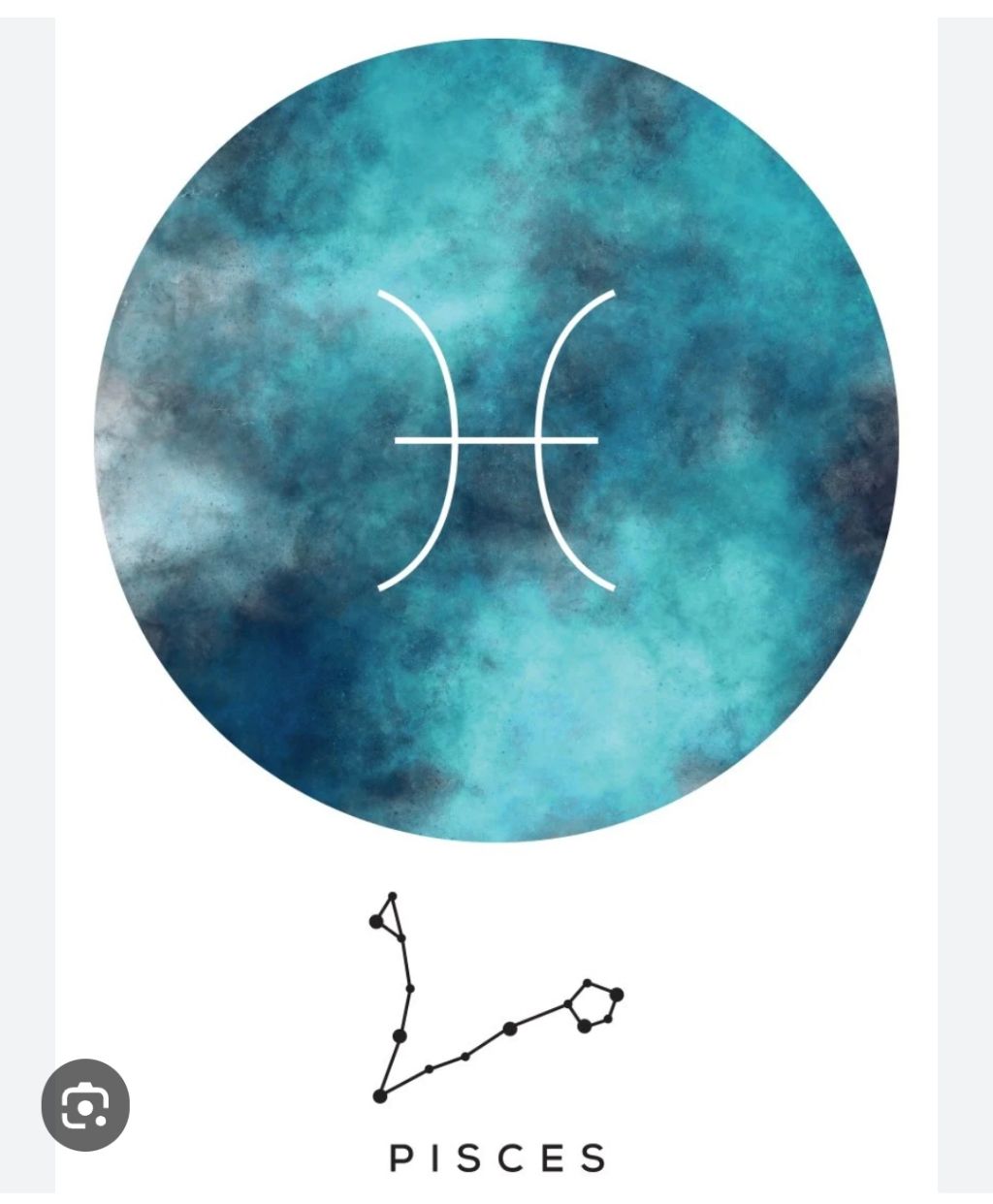
and the fundamental ideas of the zodiac constellations and star patterns
—seeing them once again as they are.
Mind training is the same.
When we say “mind training,” we do not mean anything special or unreal.
It is the process of reaffirming—together with physical training—the simple fundamentals we learned in kindergarten:
right speech, right thinking, and right action.
That is why the training of Jinyoung Ssangkum Ryu is not complicated.
It is, in fact, simple and clear.
2. The Ancient Concept of “Heaven”
Since Early Human History
: Polaris · The Zodiac · The Milky Way
From the earliest eras of human civilization, the concept of “heaven” was not merely a physical space.
It symbolized order and a standard of orientation.
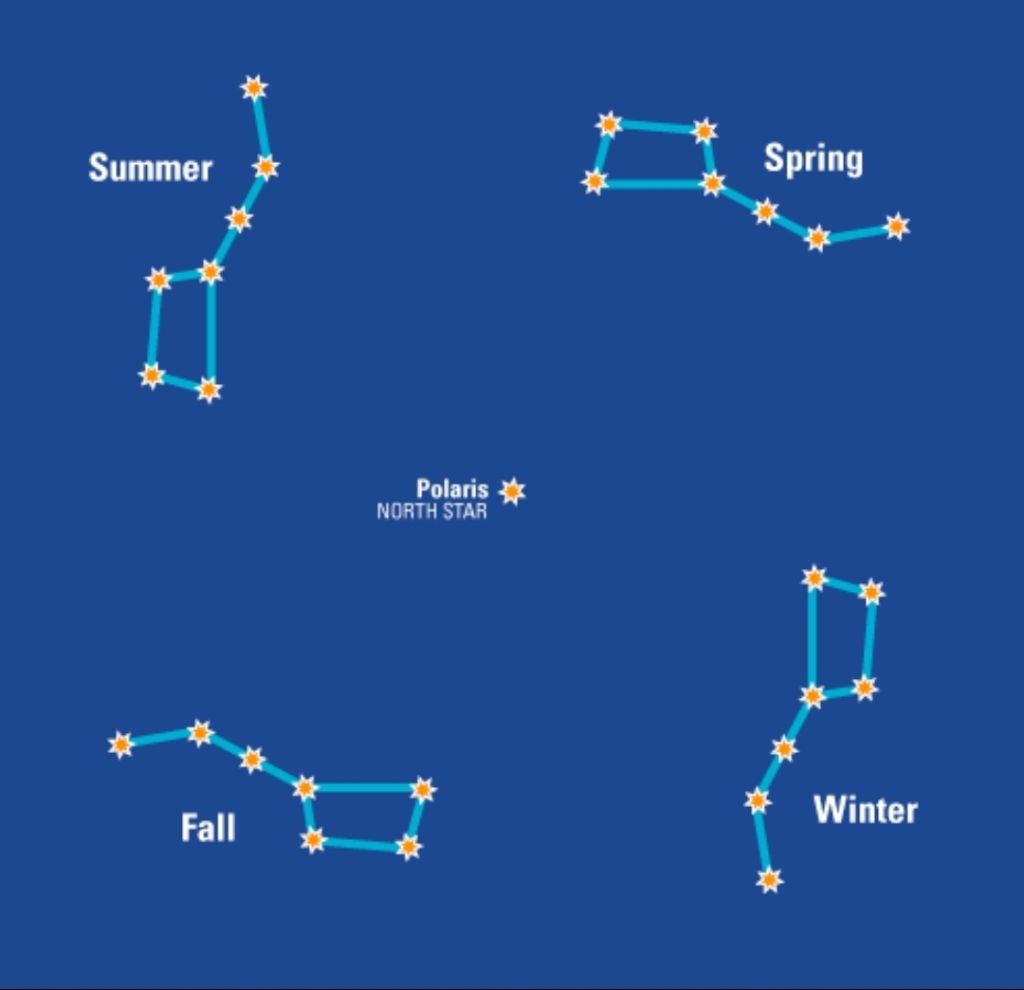
At the center stood Polaris as a seemingly unmoving reference point.
Around it, the zodiac formed a circle,
and between them flowed the Milky Way—
and this structure became the living concept of “heaven.”
Against this heavenly structure, human history and daily life flowed together with nature.
In agricultural societies, the movements of the Sun, Earth, and Moon directly governed the seasons and determined the success or failure of farming.
Nomadic peoples, too, relied on latitude and celestial changes to set direction, migrate, and sustain their way of life.
In other words,
human life has always moved together with the movement of the sky.
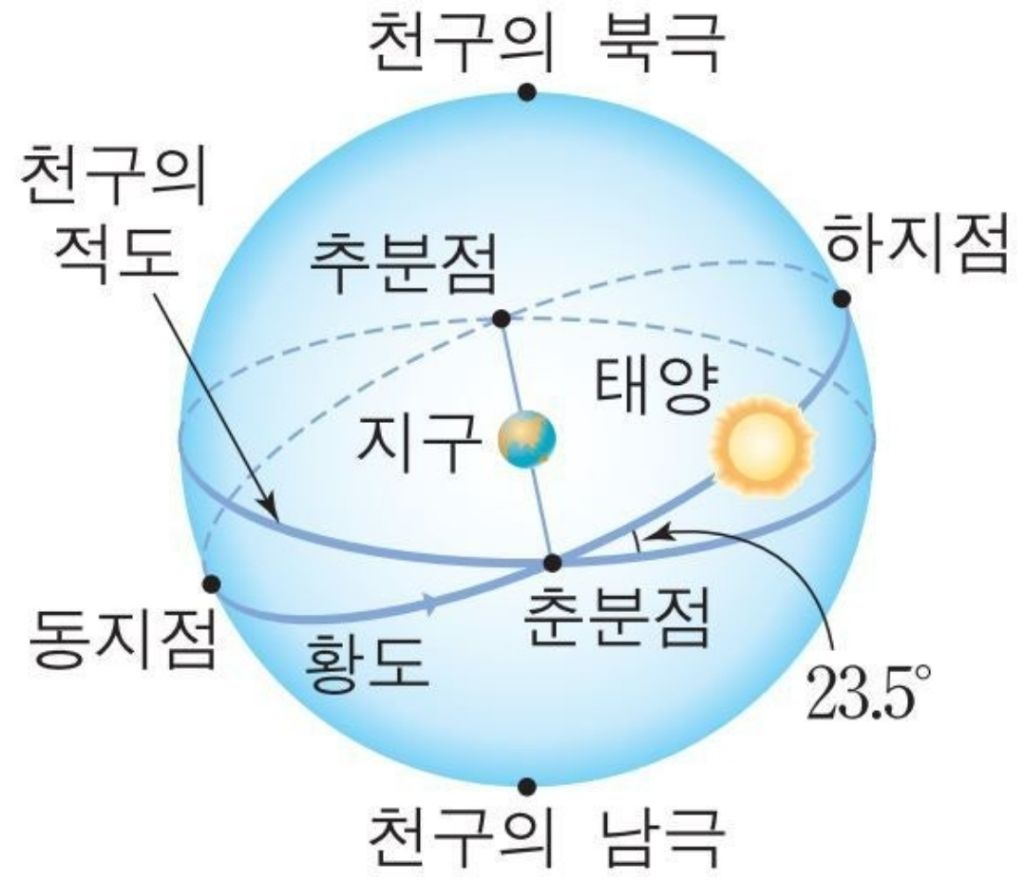
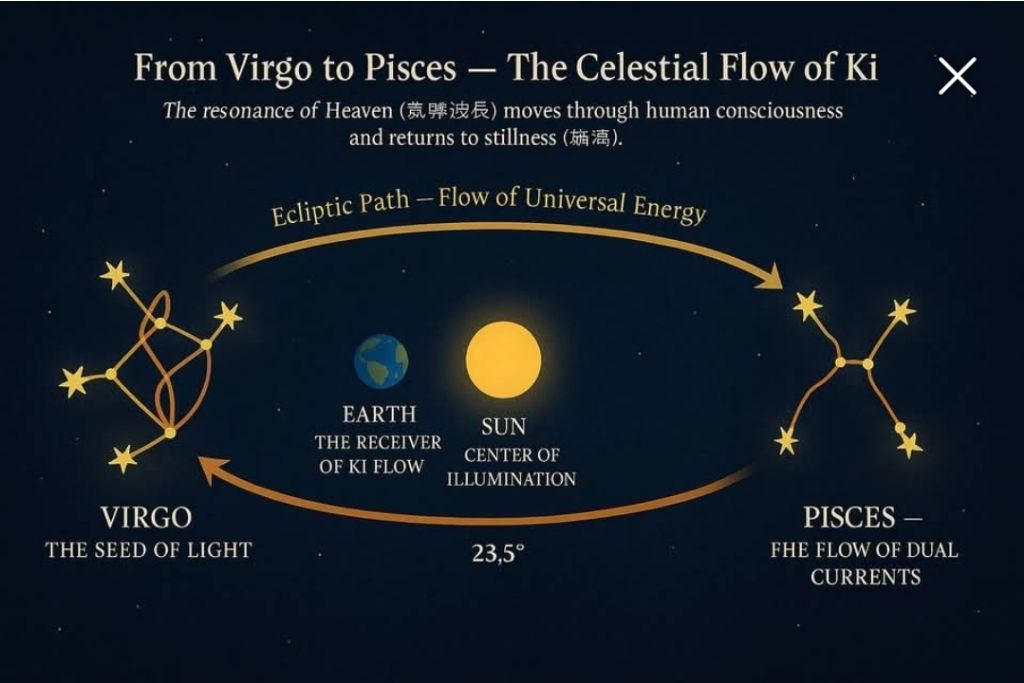
3. The Zodiac and the Sun’s Annual Path : Understanding the Wave Pattern and Taegeuk (Um–Yang, 음양)
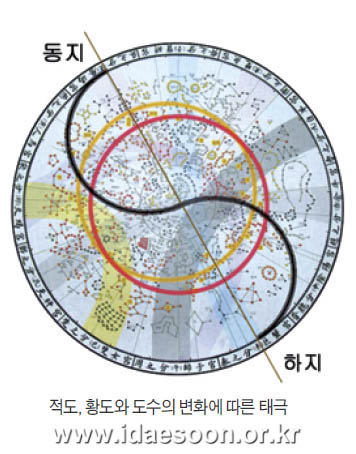
When we observe the Sun’s yearly movement along the zodiac from the Earth’s perspective, it is not experienced as a simple circle.
It forms a wave-like curve—rising and descending in repeated rhythm.
When this wave pattern is understood on a flat plane, we can read:
the four seasonal changes of spring, summer, autumn, and winter;
the rhythm of day and night—morning, afternoon, evening, and night;
and the circulation structure of life itself.
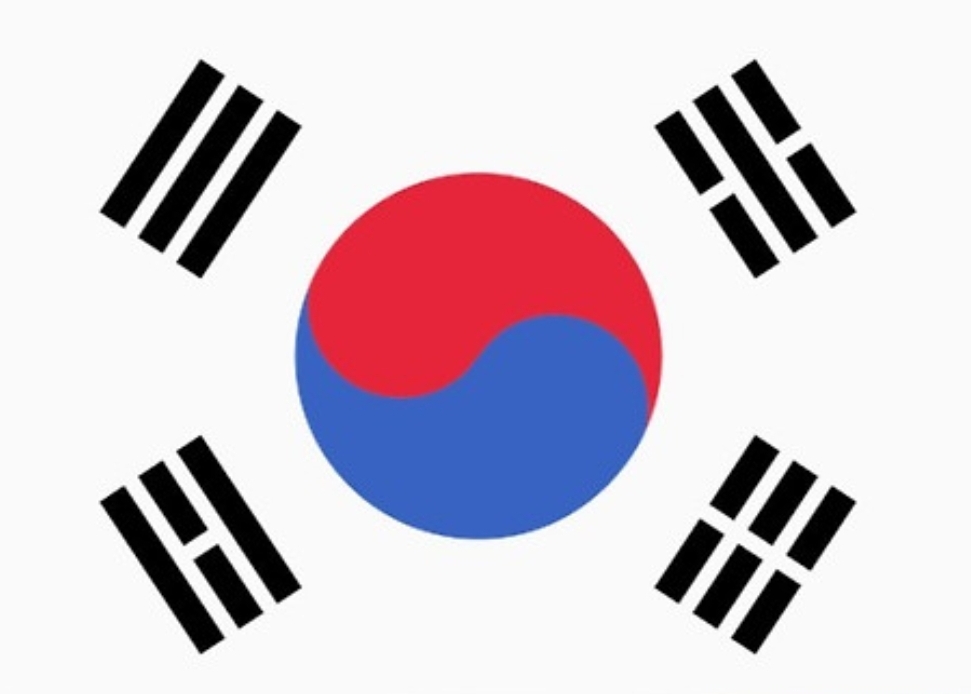
This wave structure also resonates with the wave-like symbolism of Taegeuk shown in the national flag of the Republic of Korea.
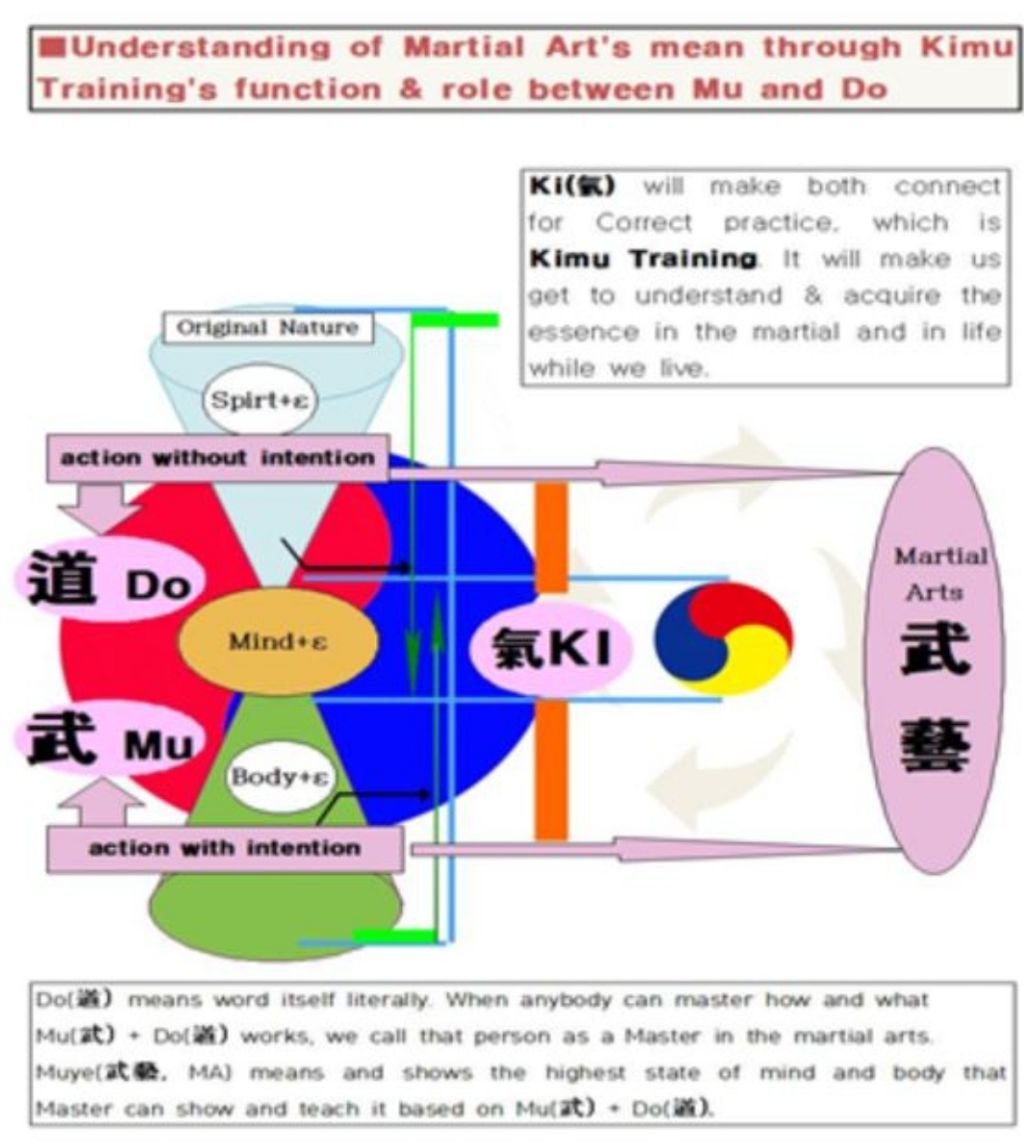
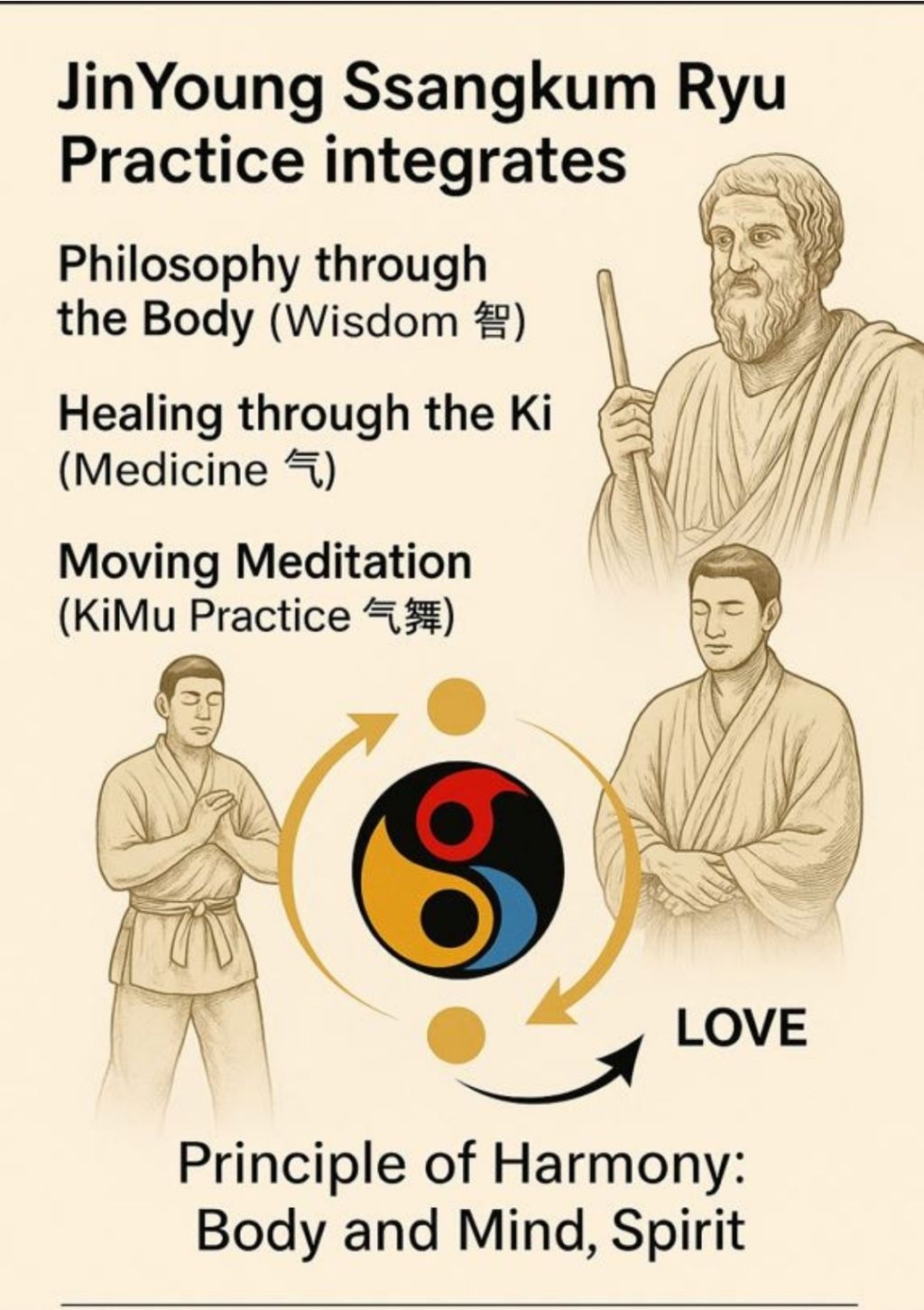
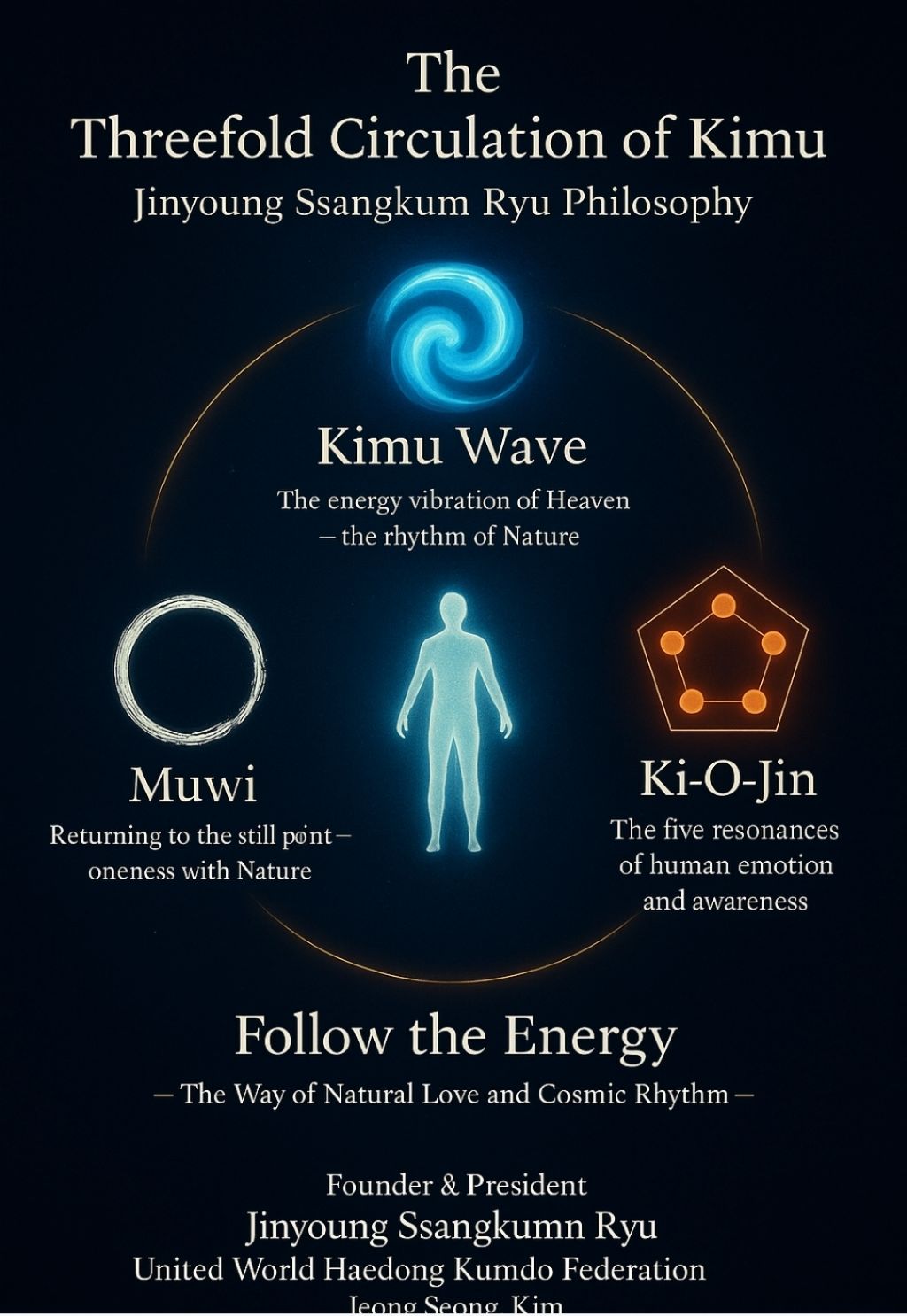
The concept of Kimu training in Jinyoung Ssangkum Ryu—through Ki-O-Jin (氣五振), the Five Vibrations of Ki—also begins from this very understanding.
From here arises Taekuk,
and before Taekuk, the idea of Mukuk (Nothingness),
and from that, the expanded contemplation of Sam-Taegkuk naturally continues.
None of this is forced interpretation.
It is the result of looking at nature’s movement as it is—through the lens of common sense.
4. Traces of Constellations Preserved in Religion and Philosophy
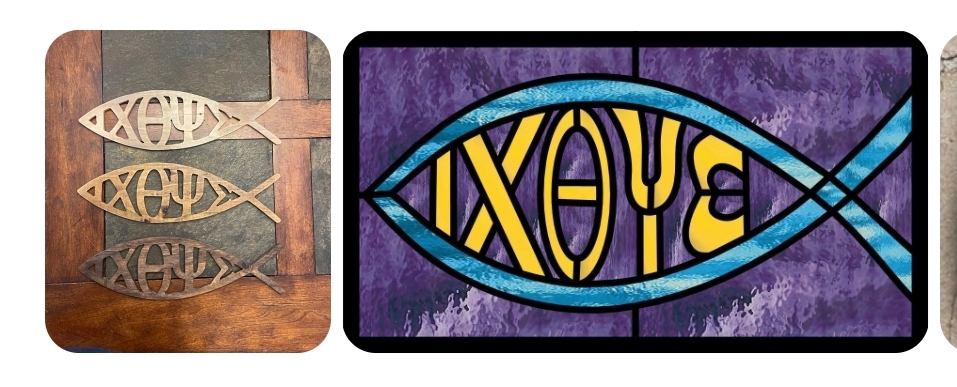
This is also why I refer to churches and religious symbolism when speaking of constellations.
Across East and West, across ancient and modern times, many philosophers and scholars of religion sought to convey the order of nature and the principles of life through the language of the stars.
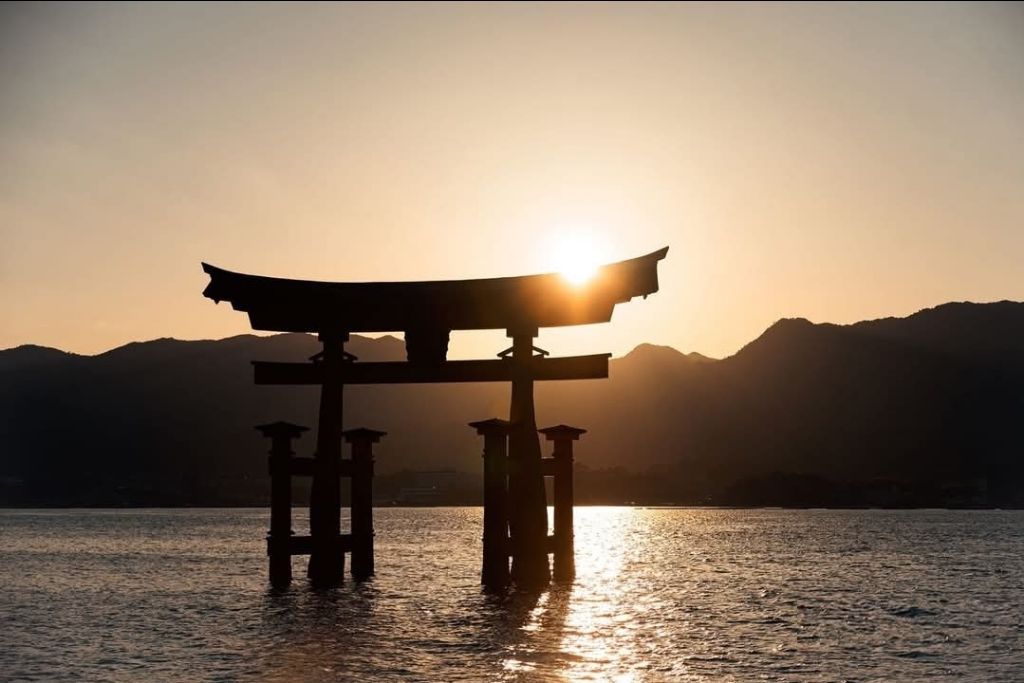
For example, when I visited a very old church during a seminar in Germany, I saw that the zodiac constellations were engraved around the entire border of the main entrance.
To open that door and enter was symbolically to “pass through the gate of heaven.”
The mosaics, murals, and sculptures inside the church were also deeply connected to constellations and the order of the cosmos.
This is not a matter of any single religion.
It is a universal way humanity has tried to understand nature.
5. The Core Training Forms of Jinyoung Ssangkum Ryu
: Simhyung (心形) and Seonghyung (星形)
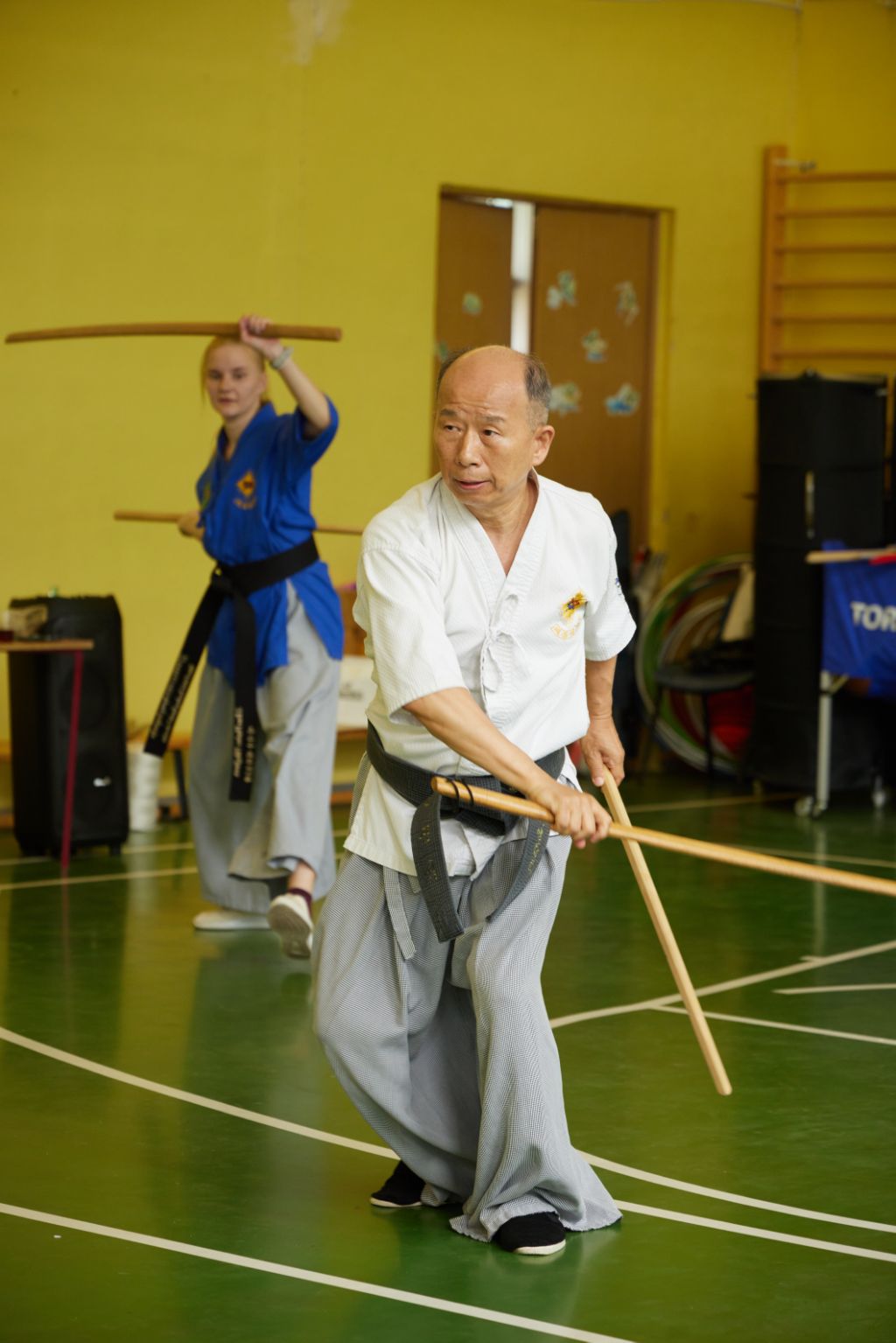
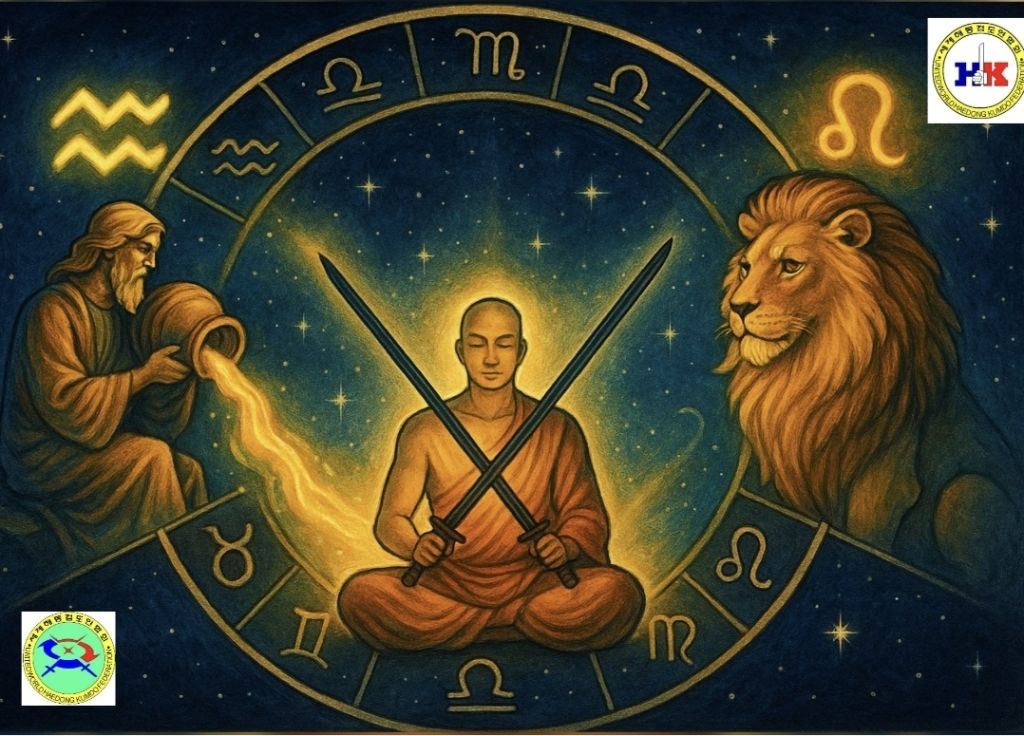
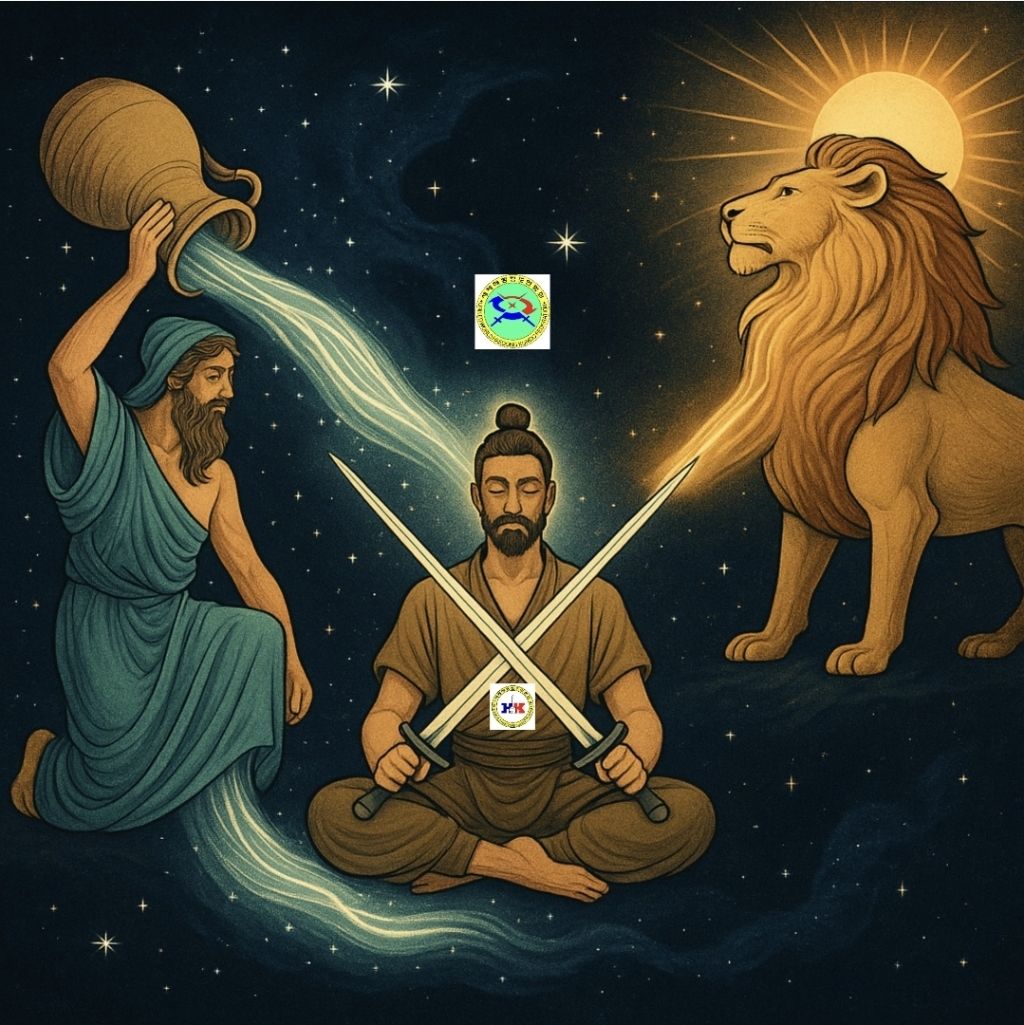
There are many training forms in Jinyoung Ssangkum Ryu, but two stand at the core: Simhyung and Seonghyung with double sword.
① Simhyung (心形)
(Heart/Mind “Sim” + Form “Hyung”)
Simhyung is training that:
establishes a correct inner attitude,
turns one back to self-reflection,
maintains calm equilibrium,
and moves based on steady breathing and an even mind.
Simhyung is the discipline of setting the mind’s center straight before moving the body.
② Seonghyung (星形, “Star Type”)
(Star “Seong” + Form “Hyung”)
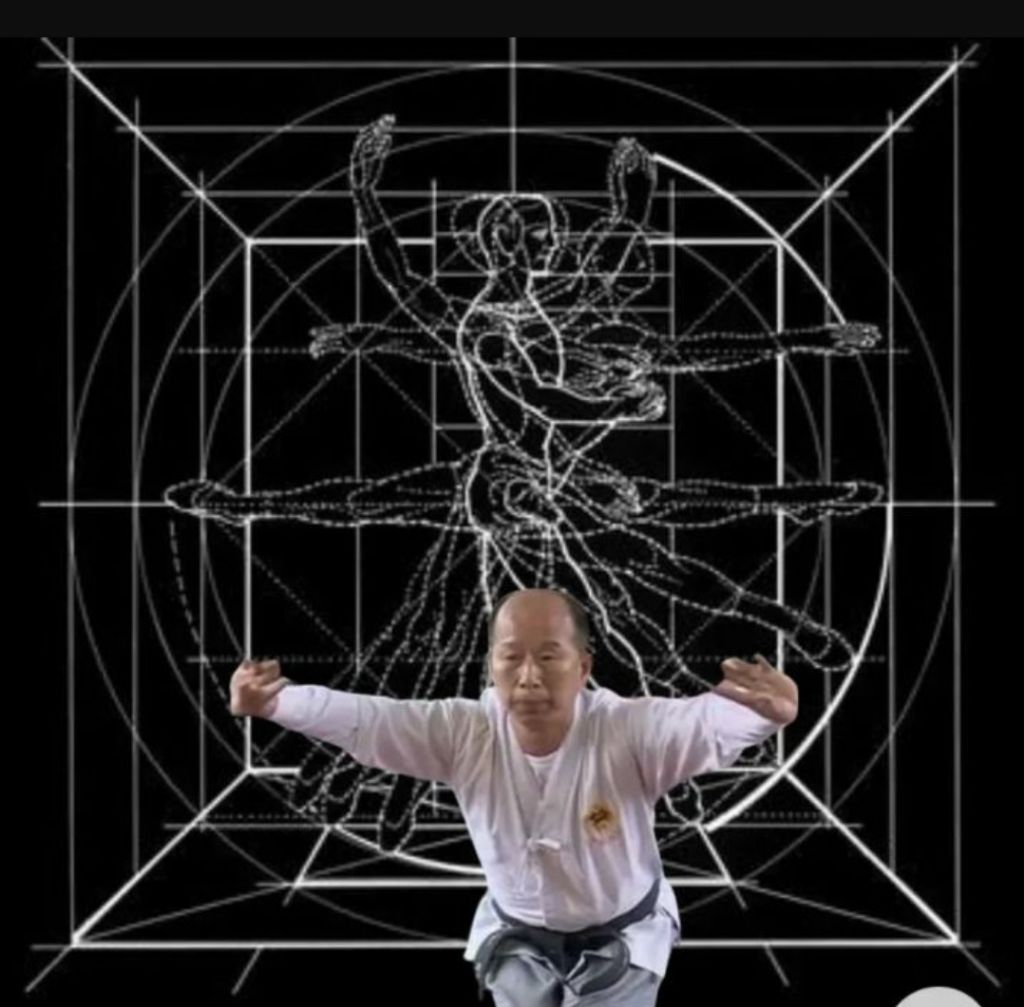
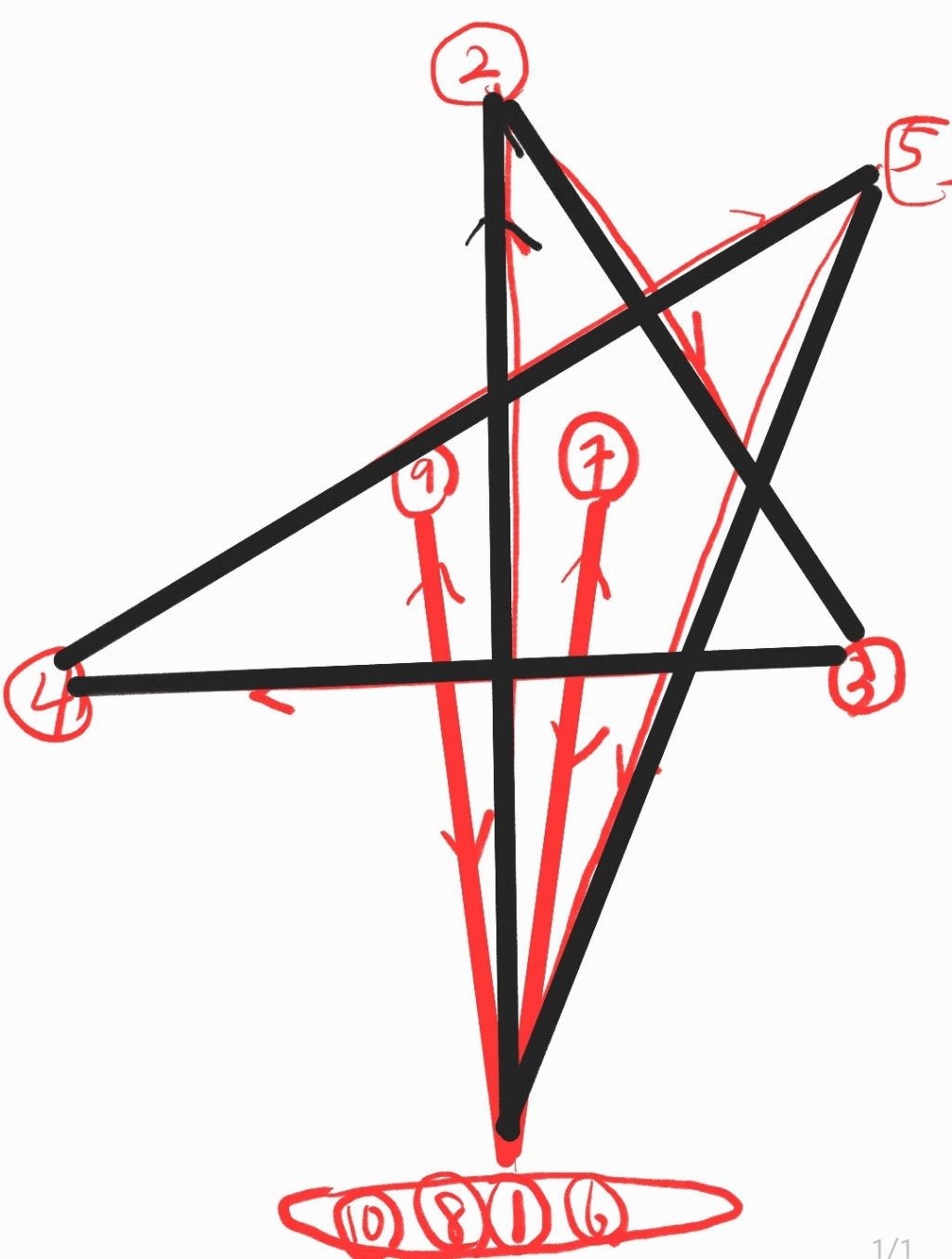
Seonghyung (Star Type) is training that moves as if connecting the vertices of constellations—
drawing star-shaped patterns from a starting point through the body’s motion.
It is training that follows, through the body,
the Ki of nature,
the order of the constellations,
and the flow of that rhythm.
6. The Three Elements of Martial Arts and One Principle
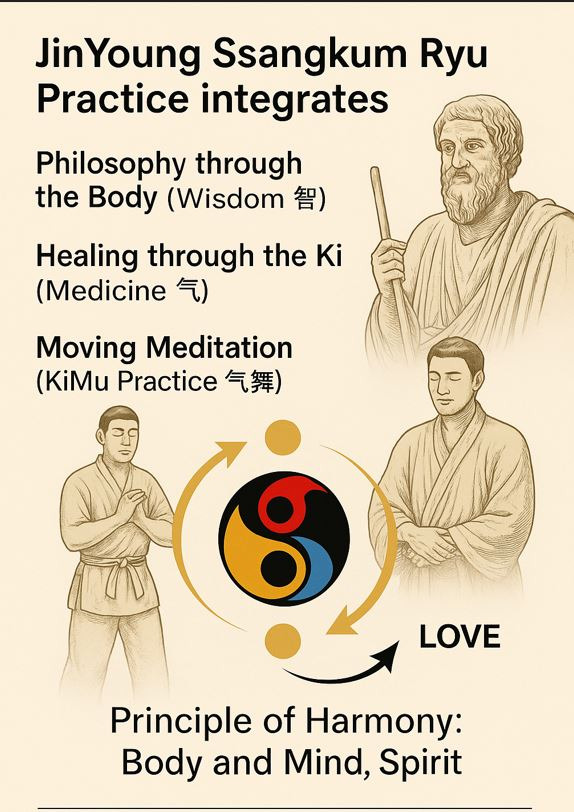
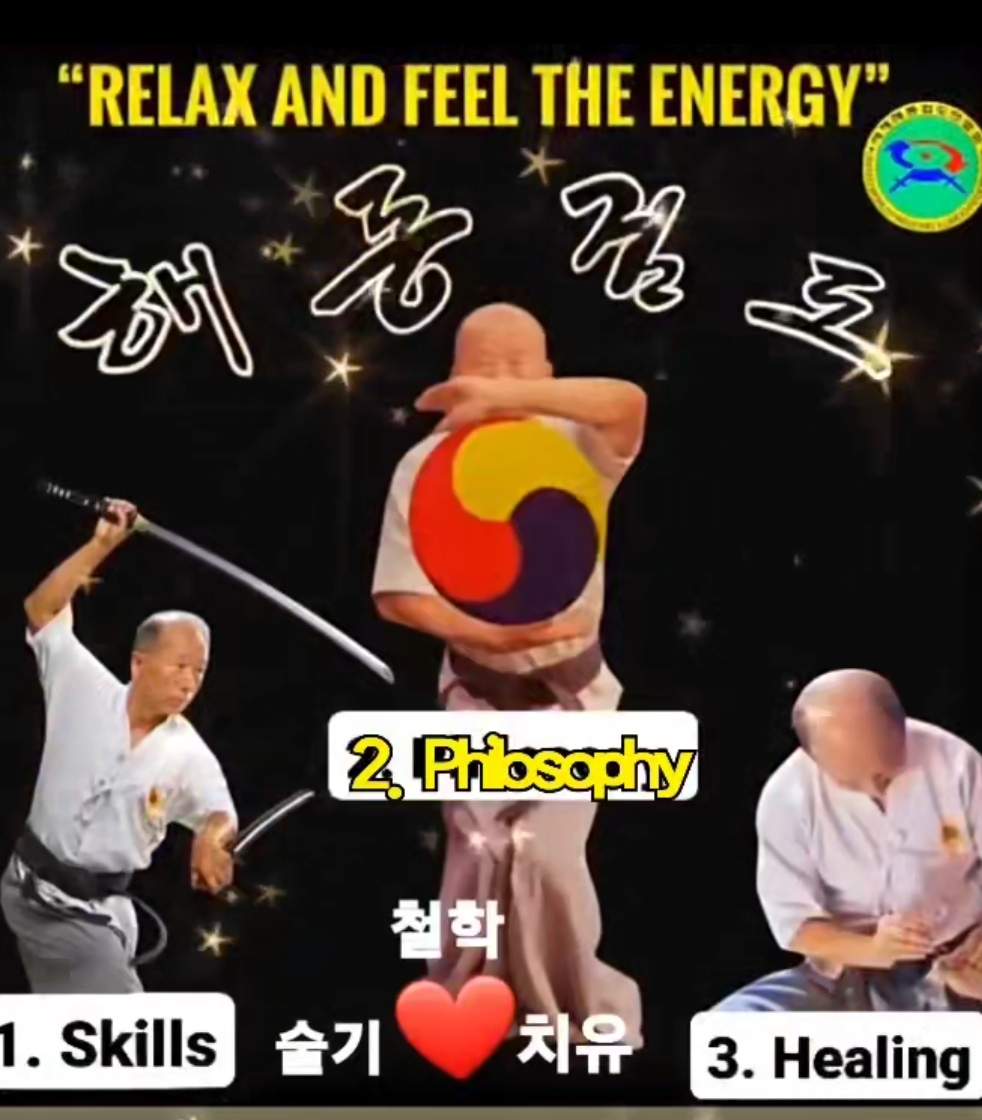
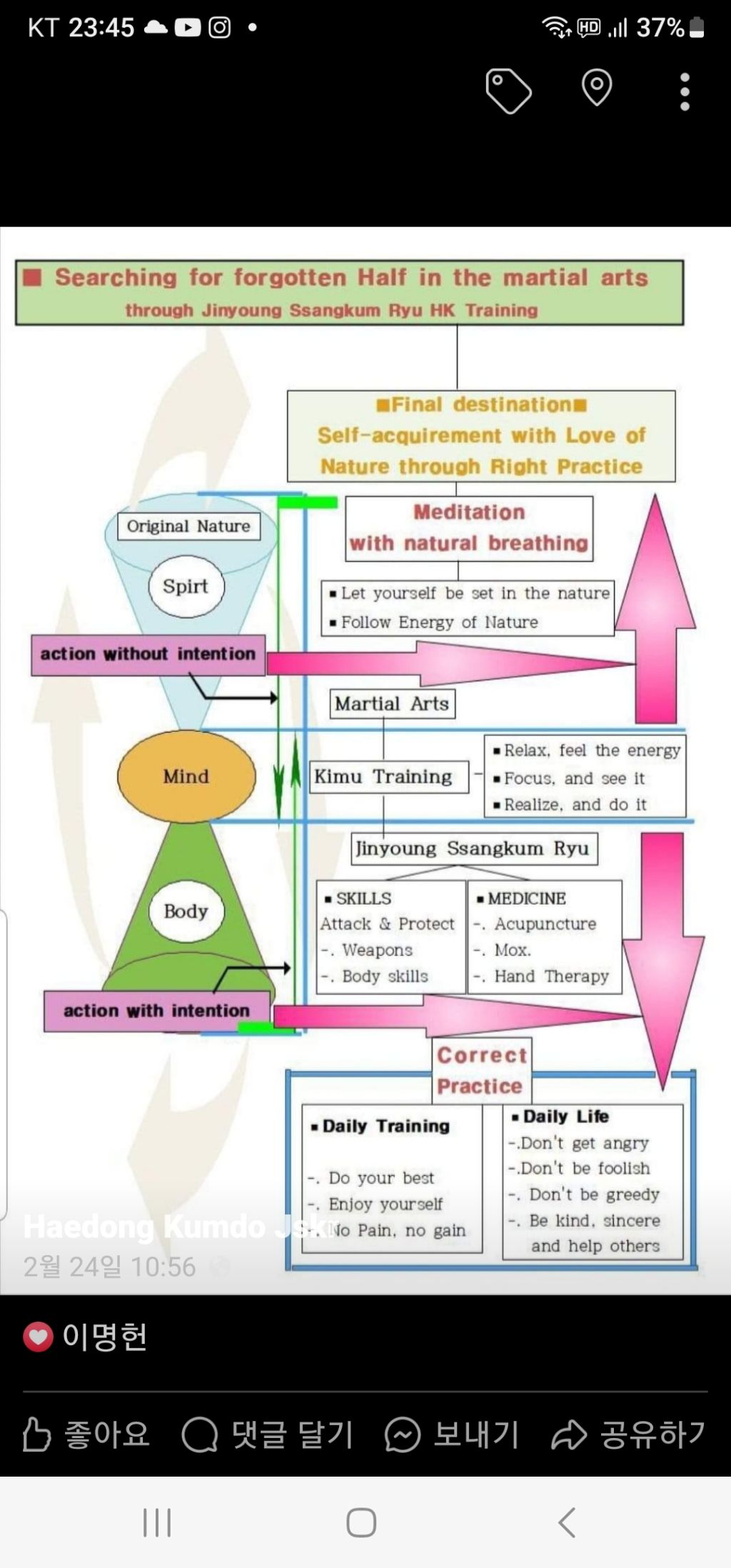
The core of martial arts in Jinyoung Ssangkum Ryu is that the following three elements must be connected as one:
Technique (技)
Philosophy/Principle (理)
Healing (癒) — in truth, Medicine
These three do not exist separately.
Only when one can follow the flow of Ki—
the flow of nature—
do they connect into a single principle.
This is precisely why we speak of constellations and nature.
Without understanding nature’s movement, these three elements can never become one.
7. The Relationship to Dongyi Martial Arts: Not “Inheritance,” but an Identity of Core Definition
The crucial point is this:
Jinyoung Ssangkum Ryu does not operate with the concept of “inheriting,” “reproducing,” or “restoring” Dongyi martial arts.
Rather, what is being taught and practiced through Jinyoung Ssangkum Ryu today matches the core definition of Dongyi martial arts described in Korea’s ancient early history.
For that reason, we ultimately arrive at the same essential point.
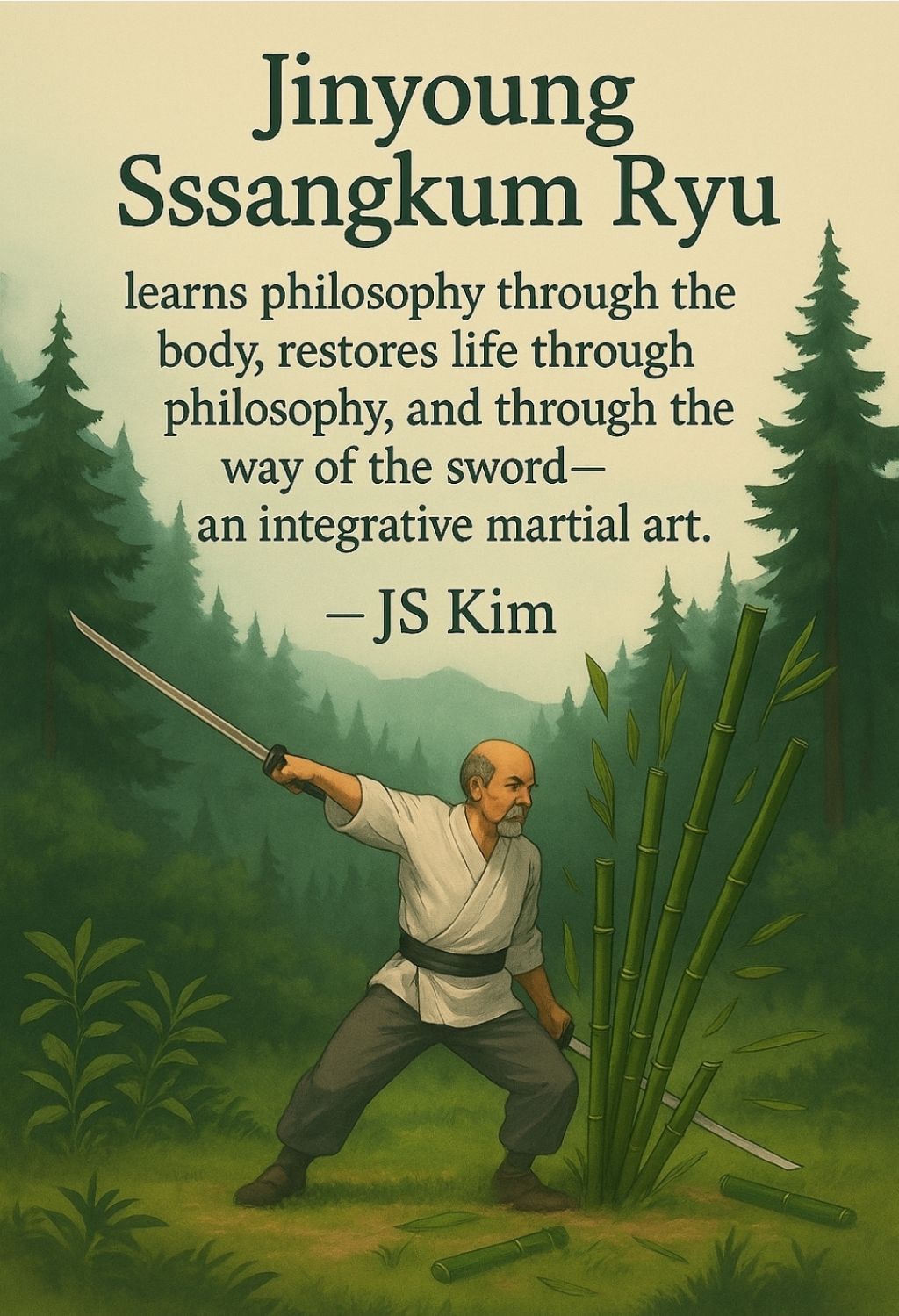
Jinyoung Ssangkum Ryu Haedong Kumdo transformed the existing Haedong Kumdo by integrating Kimu training, philosophy, and medicine, organizing them under a single principle into a complete training system—presented, for the first time, as a fully integrated martial discipline in the 21st century.
8. Practicing the Core Definition
: Training Given by Nature
As the founder, the reason I can be certain is simple and unmistakable.
Through Kimu training, I have repeatedly experienced the flow of Ki through the body.
Through that process, I confirmed that all things exist under one principle.
And because the human body—this “machine” we inhabit—is always limited, I can only strive each moment to be renewed and to do my utmost.
Yet I cannot conclude, “I discovered this,” or “I created this.”
It was given by nature,
and even now, I only study, train, and teach in the way nature continues to give.
Jinyoung Ssangkum Ryu is training that practices, through the body, what nature teaches.
9. Conclusion
: That Is Why We Speak of Constellations and the Principles of Nature
The reason I speak of constellations and the principles of nature is clear.
If martial arts training is not to stop at technique alone,
but to proceed together with philosophy and healing,
then we must understand the order and flow of nature.
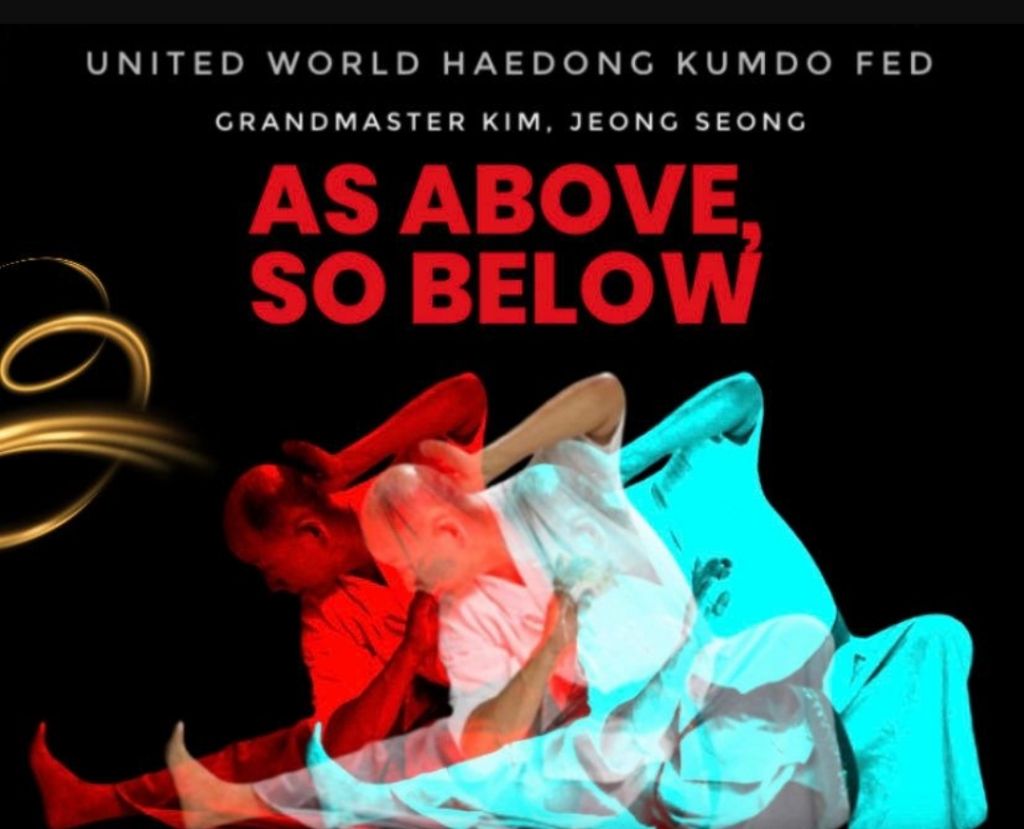
As Above, So Below
As Without, So Within
And that understanding does not begin with difficult or specialized knowledge.
It begins with the most basic common sense we already possessed.
That is the core of Jinyoung Ssangkum Ryu training.
-------
Wednesday, December 31, 2025
Jeong Seong Kim
Founder of Jinyoung Ssangkum Ryu