New Year’s Address for the Year of 2026(The Year of the Red Horse)
작성자진영작성시간26.01.03조회수1,085 목록 댓글 0In Korean 국문 번역
https://m.cafe.daum.net/enlightenment-k/dcM5/568?svc=cafeapp

■ Topics to be addressed in the coming year
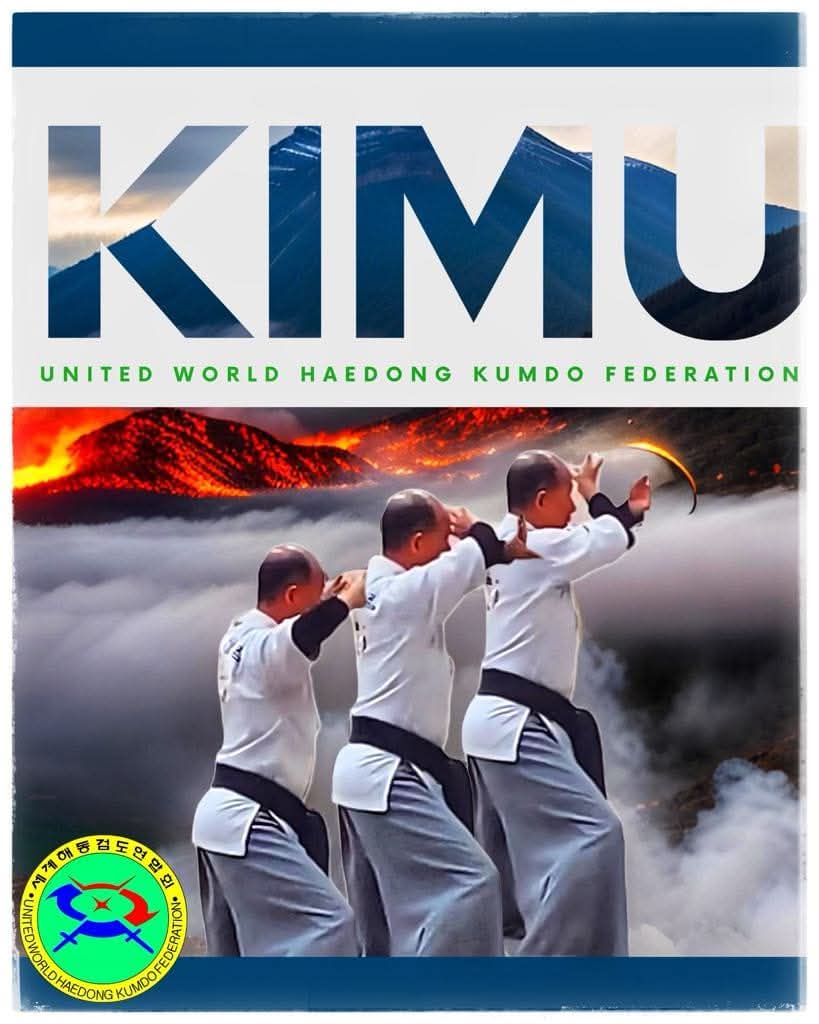
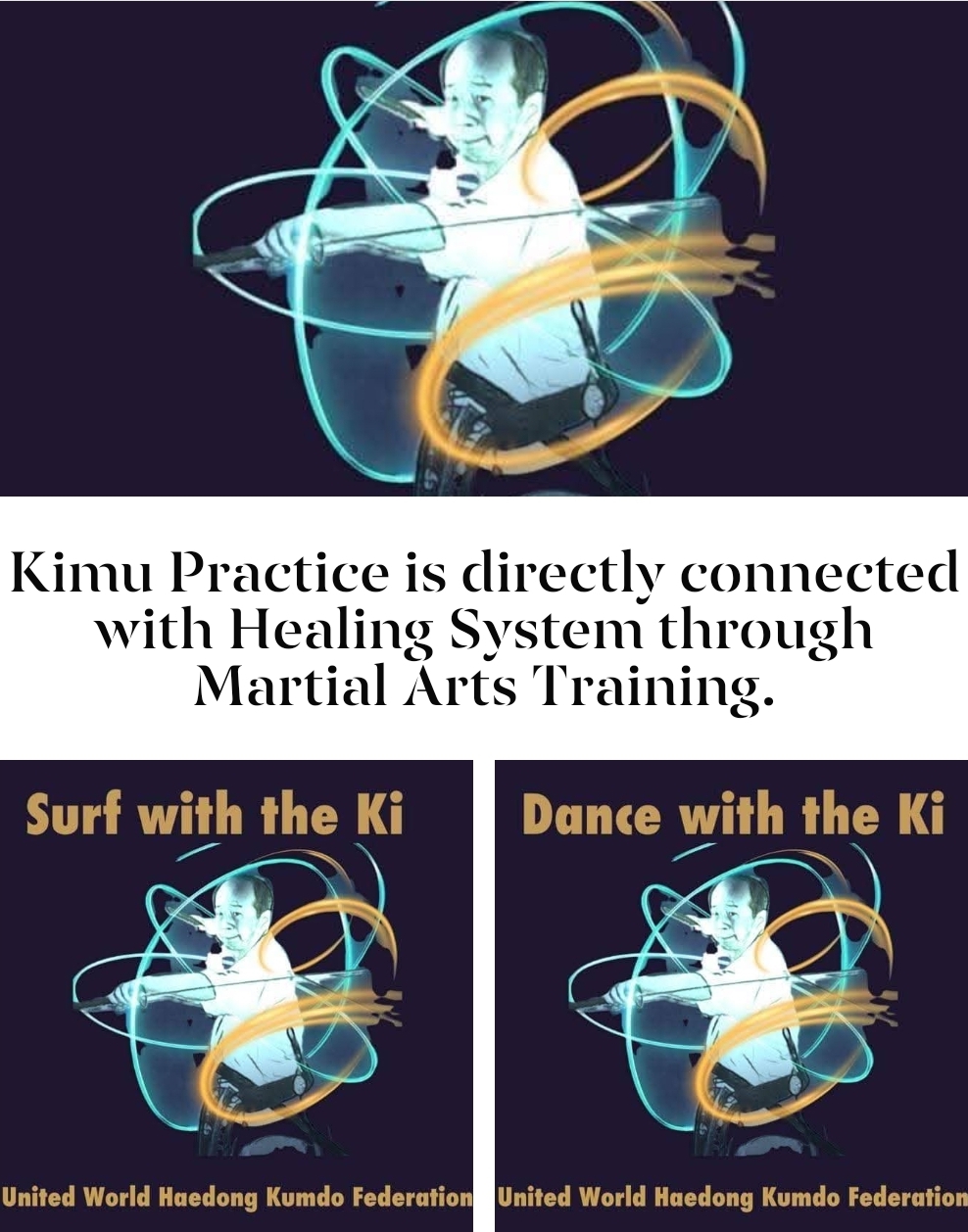
1. Kimu (氣武), the martial root of Dongyi traditions, and the global transmission of Jinyoung Ssangkum Ryu Haedong Kumdo
2. The lost language of the body and the distortion of “Mu” (martial practice)
3. Core Explanation of Jinyoung Ssangkum Ryu Based on the Principles of Nature
4. The purpose of Kimu training and its distinctions from other martial arts
(such as Taijiquan and Qigong, etc.)
5. The foundational philosophy of Kimu in Jinyoung Ssangkum Ryu
6. Those who convey the love of nature until the very end— Practitioners of Jinyoung Ssangkum Ryu
------------
《New Year’s Address for the Byeong-O Year, 2026
(The Year of the Red Horse)》
At last, the curtain falls on the Eul-Sa year of 2025,
and the Byeong-O year of 2026 begins,
with the rising energy of the Red Horse.
Since the dawn of human history,
the cycles created by the sun, the earth, and the moon—
the seasons and the rhythm of day and night—have never changed.
Yet within that repetition, every moment is in constant motion.
Human beings learn wisdom and perseverance within this framework of change, transforming and developing themselves.
That is life itself,
and that is proof that we are alive.
Throughout 2025,
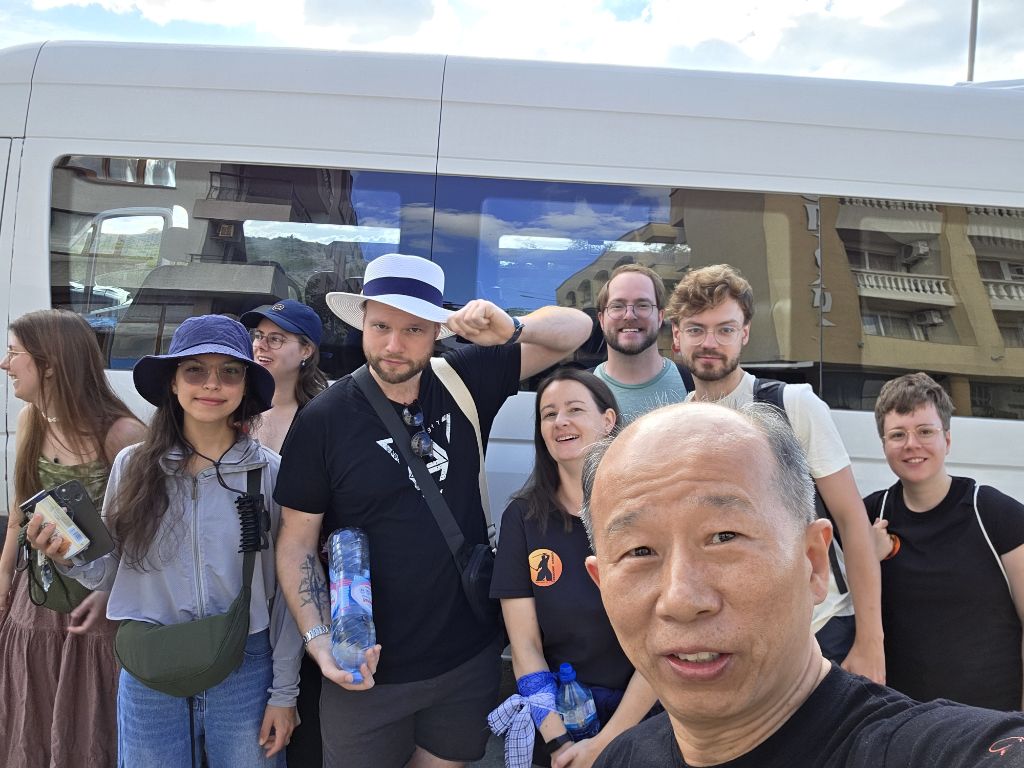
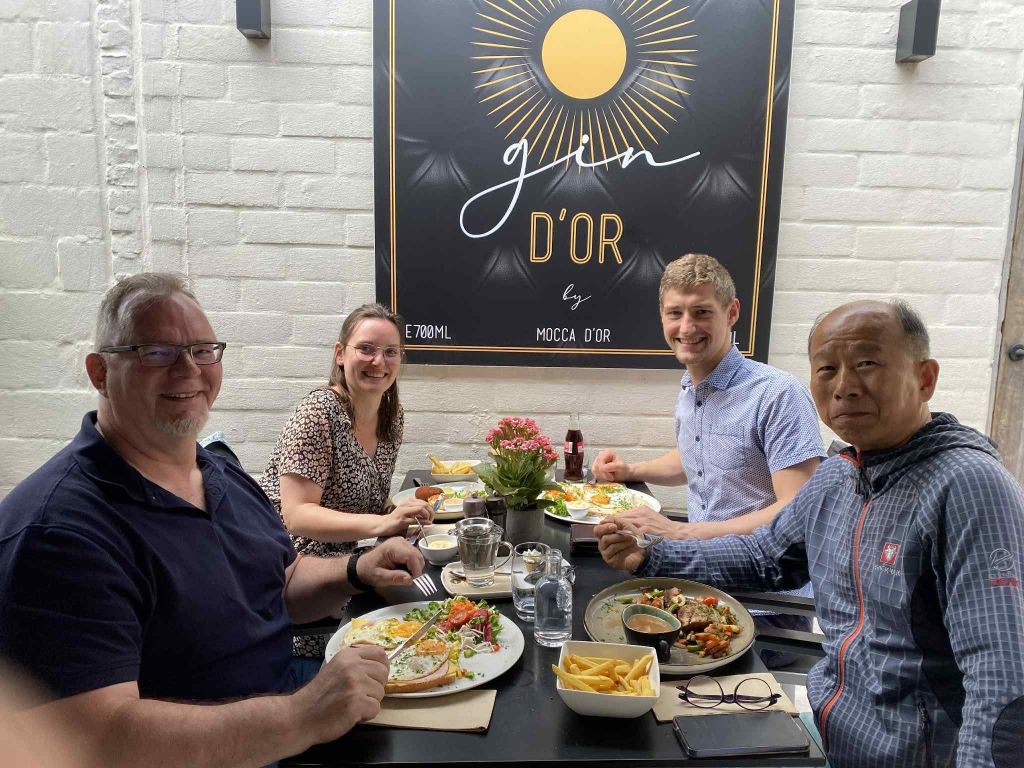
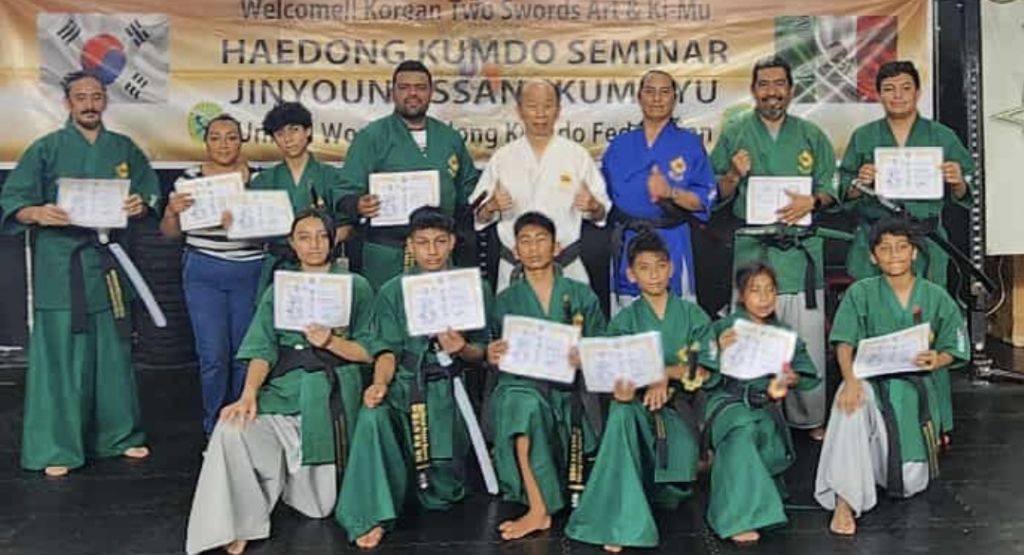
I traveled to many countries—
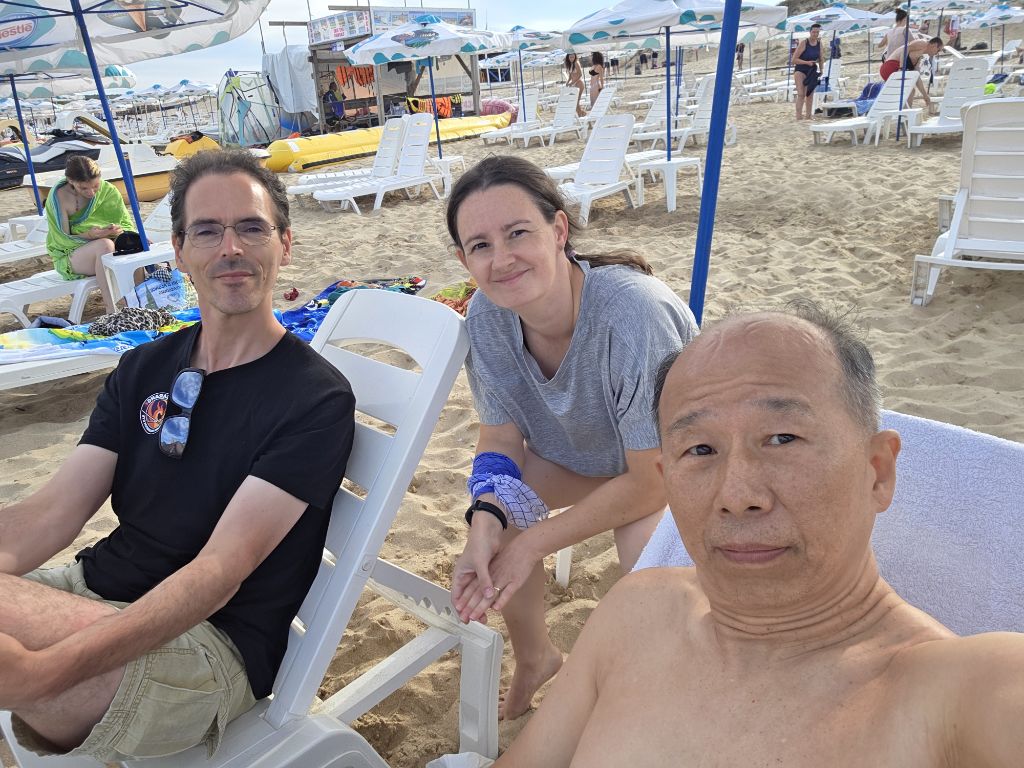
the Netherlands, Russia, Germany, Bulgaria, Mexico, and South Africa—
meeting countless people along the way.
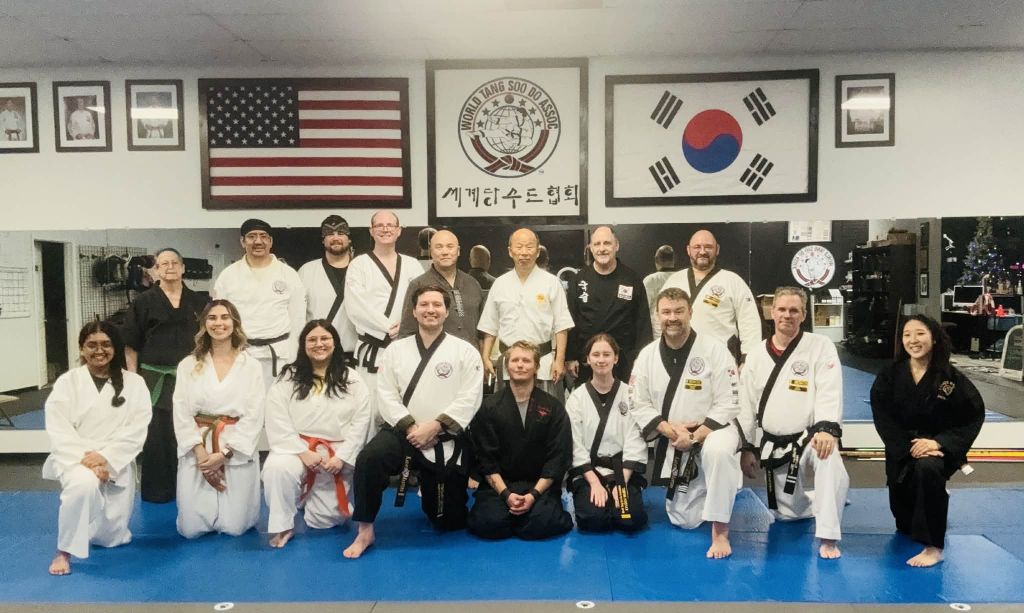
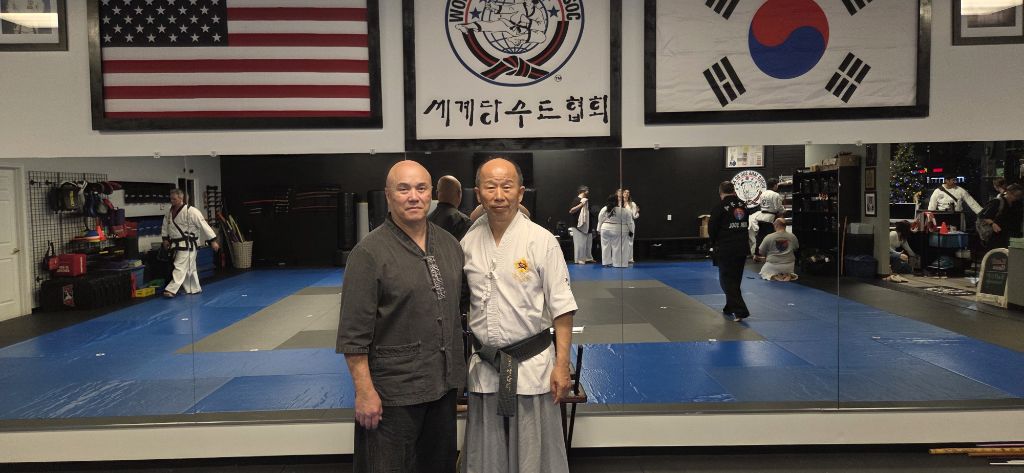
There were two visits to the United States during the year. In particular, with my second son’s wedding taking place in the U.S., Houston has now become my American home.
Through meaningful interaction and growing bonds with my daughter-in-law’s relatives,
this year became even more significant, as I came to be embraced as a member of their family.
Within these experiences above,
I learned and reflected through moments of joy and happiness,
self-examination and renewed resolve, and a deep sense of gratitude, gradually gaining greater depth along the way.
The accumulation of these experiences, in the end, is also a process of moving closer to the ultimate purpose of human life.
The purpose and foundation of Jinyoung Ssangkum Ryu transmission
are extremely simple and grounded in common sense.
Those who cannot align with this purpose and foundation
naturally fall away from the chain of teaching and learning.
This is because they stand opposed to the fundamentals of martial training,
and because they fail to see their own ignorance and desire.
Of course, the choice always belongs to the individual. Still, it is also true that the absence of basic common sense continues to appear again and again.
Even if you feel that you are lacking at this moment, there is no reason to be discouraged.
Training is not a path reserved only for those who are already complete;
it is a process that remains open to anyone who is willing to look back at themselves
and steadily put things in order,
one step at a time.
What matters is not your current position, but the attitude of moving forward together, calmly and patiently,
in accordance with the principles of nature.
By “basic common sense,”
I mean proper etiquette,
the passion to truly understand,
and an open mind.
These have nothing to do with the size or status of an organization,
nor with an individual’s physical skill or accumulated knowledge.
Training in Jinyoung Ssangkum Ryu is grounded in the laws and principles of nature.
Through mastering the basics,
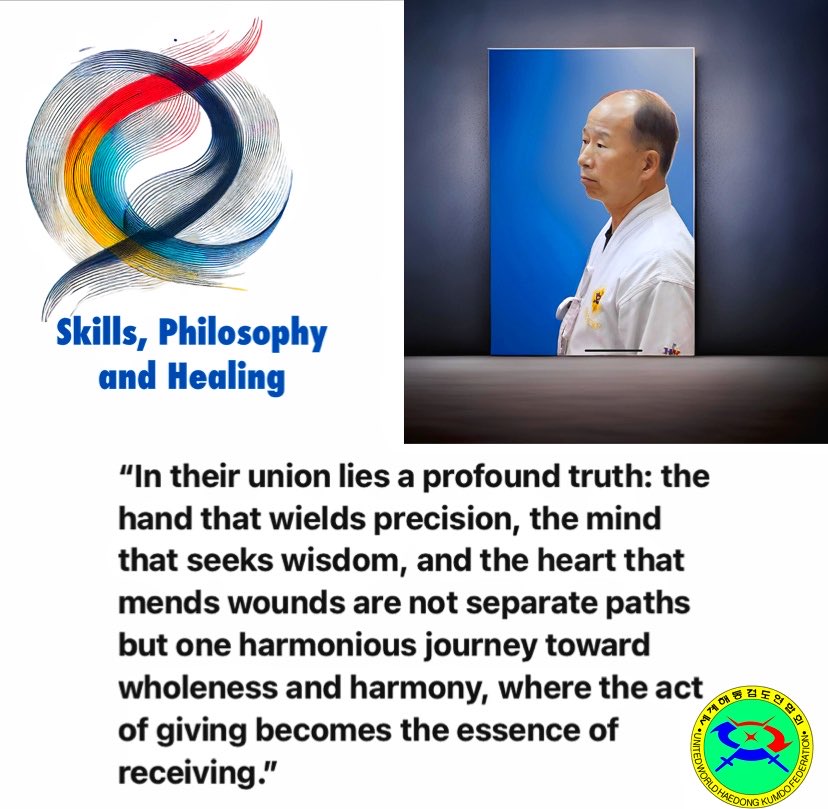
technique, philosophy, and healing
are trained together under a single, unified principle.
Therefore, anyone who has trained in martial arts for a lifetime
should be able to explain the fundamental postures of Haedong Kumdo— such as Jayeon-se, Daedo-se, Sodo-se, Jocheon-se, and Beom-se— along with their musculoskeletal functions and effects.
They should also be able to explain
the correct path of the sword line within a single cut.
Anyone who has genuinely walked through the core stages of martial training should be able to articulate these matters clearly.
At this point, one must ask oneself:
○ Where is my training actually heading?
○ Am I overly focused on repeated promotions, competitions, or demonstrations, seeking only a sense of achievement or pride?
○ Or am I simply enjoying camaraderie and friendship within my organization or dojang, laughing together without truly advancing?
To laugh and enjoy oneself is proof of being alive, and there is nothing wrong with that.
However, one clear fact remains:
such things are entirely separate from progressing to the next level.
No one can carry you from your current position to the next stage.
That journey is possible only through your own experience,
and only as far as you have personally gone.
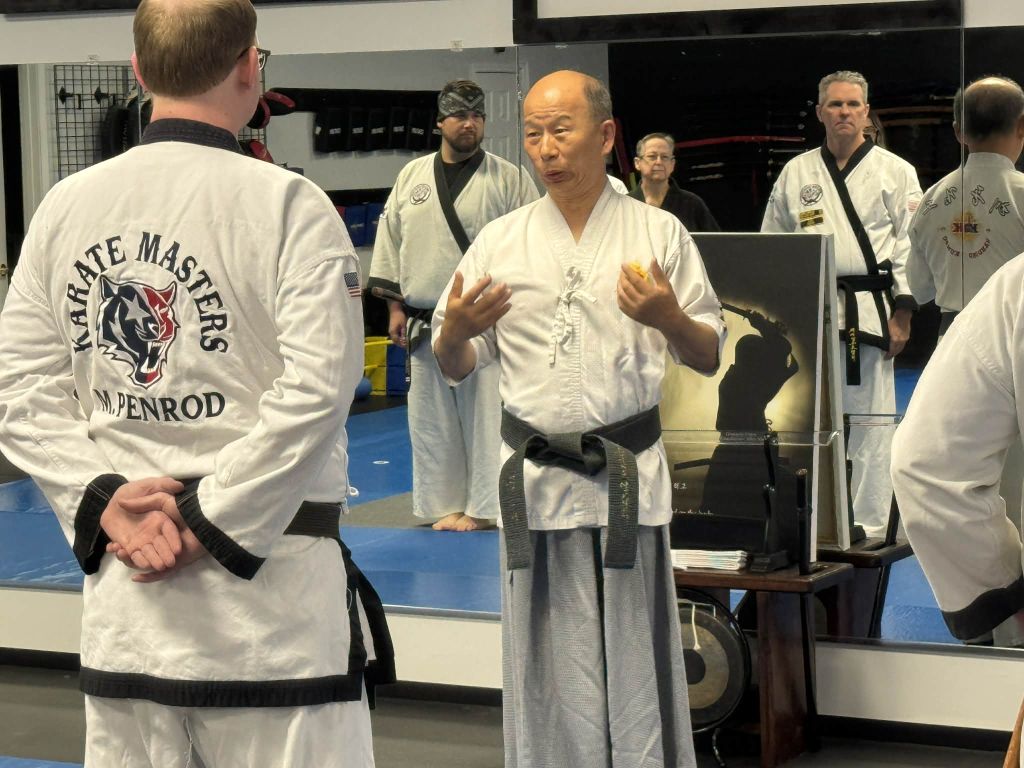
After the official Jinyoung Ssangkum Ryu seminar at the Tulsa Convention Center in the United States in 2001,
and following the successful World Haedong Kumdo Championships in 2009, I stepped back to reorganize my surroundings and devoted myself more deeply to my own training.
Over the past fifteen years since then,
I have published dozens of books
and continue on this path today.
Before beginning Haedong Kumdo in 1991, I had already encountered various martial arts like TKD, Hapkido, Judo, Kickboxing, etc. and spiritual training systems like meditation and breathing practice, starting with Hapkido at the age of twelve.
But from the beginning,
these philosophies, techniques, and structures were not firmly established.
Such understanding takes time.
Without passion and effort, it is impossible. Nothing happens on its own.
Even after ten years of training,
if the first step is taken incorrectly,
it all comes to nothing.
The fact that I speak this way
does not mean that I possess some secret or mystical formula.
I am simply someone who has come to recognize, through both body and mind, the single underlying principle
that forms the foundation of human life and martial practice—
and who continues to train on that basis.
Through Jinyoung Ssangkum Ryu Haedong Kumdo,
I share this understanding with people around the world.
That is my life,
and that is my calling.
We are each given only one life,
and only one body,
within a very limited span of time and space.
I remain incomplete.
Each day is still new,
and each day feels all too short.
As the Byeong-O year of 2026 begins,
I reflect on the past ten years
and envision the ten years ahead.
The decade of my seventies
will not be easy.
As aging accelerates,
the care and maintenance of the body becomes increasingly important.
Over the next ten years,
preservation, management, and repair of the body
will be essential.
Today as well,
I offer deep gratitude
for the simple fact that my arms and legs continue to function.
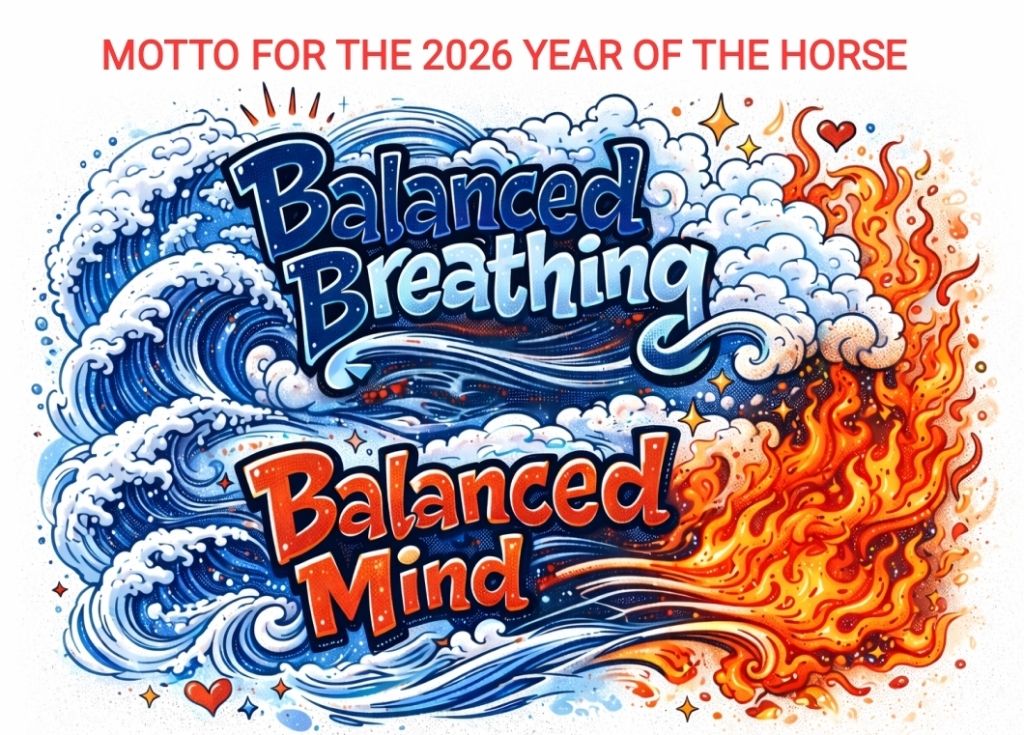
This year’s guiding phrase is
“Balanced Breathing(고른 호흡) and a Balanced Mind(고른 마음).”
This principle is directly connected to health,
forms the foundation of everything we seek to do,
and determines the direction of the body itself.
Why does balance have such a direct impact on physical well-being?
Because it directly affects the body’s sustained operation and its ability to return to equilibrium.
The effective application of balanced breathing and a balanced mind:
First, it strengthens resistance within bodily functions,
enhancing immunity and recovery.
Second, it increases stability, continuity, and efficiency.
Balanced breathing refers to natural breathing.
A balanced mind refers to an ordinary, steady state of awareness.
Though this may sound simple,
what matters most in both is maintaining
the position of a third-person observer—
in other words, viewing oneself from the perspective of nature.
Through this, balanced breathing and a balanced mind
become the fundamental means
for responding effectively
to anger, desire, and ignorance
arising both within and outside the body.
As Above, So Below.
As Without, So Within.
Plans for overseas activities in 2026
are now nearly complete.
In the coming year,
I intend to introduce the role, importance, and distinct qualities
of Kimu training within Jinyoung Ssangkum Ryu Haedong Kumdo—
where technique, philosophy, and healing are integrated.
I will also explain how its principles and structure
are identical to the core foundations of Dongyi martial traditions
found in Korea’s ancient history,
and how this understanding guides
the global transmission of Jinyoung Ssangkum Ryu.
Many people around the world
seek the origins of Eastern martial arts in China or Japan.
However, the foundation in which martial principles, technique, philosophy, and healing
were practiced simultaneously
as guidelines for daily life
must be sought in Korea’s ancient history.
Modern Korea, Japan, and China
have long existed in close proximity,
with centuries of cultural and material exchange.
For this reason,
it is often difficult for people in the Americas or Europe
to clearly distinguish their origins.
Moreover, from ancient times,
the activity range of Korea’s ancestors
extended far beyond the peninsula,
encompassing parts of what are now China and Russia.
During the collapse of the powerful kingdoms of Goguryeo, Baekje, and Silla,
their highest elite classes—
leaders in governance, military affairs, scholarship, technology, and martial arts— crossed over to the Japanese archipelago.
These groups, historically known as the Doraein, were not ordinary migrants, but central figures who played a decisive role in shaping what would later become Japanese civilization.
------
■ Topics to be addressed in the coming year
1. Kimu (氣武), the martial root of Dongyi traditions, and the global transmission of Jinyoung Ssangkum Ryu Haedong Kumdo
2. The lost language of the body and the distortion of “Mu” (martial practice)
3. The core of Jinyoung Ssangkum Ryu and the principles of nature
4. The purpose of Kimu training and its distinctions from other martial arts
(such as Taijiquan and Qigong, etc.)
5. The foundational philosophy of Kimu in Jinyoung Ssangkum Ryu
6. Those who convey the love of nature until the very end— Practitioners of Jinyoung Ssangkum Ryu
From the beginning of 2026,
we start again
with balanced breathing
and a balanced mind.
I wish everyone health and peace in the year ahead.
-------
January 3, 2026
Jeong Seong Kim
Founder of Jinyoung Ssangkum Ryu Haedong Kumdo