Japanese Samurai Culture, Korean Seonbi Tradition, and JSKR's Philosophy
작성자진영작성시간25.11.17조회수647 목록 댓글 0In Korean 한글 번역
https://cafe.daum.net/enlightenment-k/dcM5/541?svc=cafeapi

📘 Subject: Understanding the Essence of Martial Arts Through an Integrated Study of Japanese Samurai Culture, Korean Seonbi Tradition, and the Philosophy of Jinyoung Ssangkum Ryu Haedong Kumdo
📘 Part 1 — Introduction & Japanese Samurai Culture
I. Introduction — Restoring the Original Meaning of Martial Arts
(Muye,무예)
The purpose of this writing is not to criticize any nation or any martial art.
Rather, it seeks to clarify the original meaning of martial arts and to demonstrate that the three elements essential to any authentic martial discipline — Technique, Philosophy, and Healing form the fundamental principle upon which true martial training must stand.
Martial arts cannot be completed by technique alone.
➤ Technique is the function of the body.
➤ Philosophy provides direction and orientation for training.
➤ Healing is the foundational force that restores a person through the harmony of body, mind, and Ki (氣).
Modern Haedong Kumdo, however, has often failed to reach the essence of martial arts due to issues such as historical distortion, unclear identity, and an excessive focus on physical technique.
Therefore, this writing aims to guide practitioners who wish to restore the proper history, philosophy, and identity of Haedong Kumdo through the foundations of Jinyoung Ssangkum Ryu, and to cultivate Technique, Philosophy, and Healing as one unified principle.
A key moment that inspired this work occurred during a trip to the Netherlands.
At the airport customs inspection, when my practice sword and live blade were examined, the officer asked:
“Are you a samurai?”
Today, when anyone holding a sword is casually called a “samurai,” it reveals a widespread unfamiliarity with the fundamental differences between Korean sword culture and Japanese samurai culture.
The two cultures are entirely different from their origins —
in their historical foundations, philosophical perspectives, and training purposes.
Understanding this difference is essential to grasping the true depth of martial arts.
II. Samurai Culture within Japan’s Feudal Society
1. The Core of the Feudal Structure
For nearly 700 years, Japan existed as a decentralized feudal society.
Regional lords (daimyo) wielded more real power than the emperor,
and at the center of this structure stood the warrior class — the samurai.
2. The Role of the Samurai
➤ Fighting on behalf of one’s lord
➤ Protecting the honor of the clan
➤ Maintaining order through sanctioned killing
➤ Valuing loyalty and decisive action above all
➡ In Japanese society, the martial (武) dominated the civil (文).
3. The System of Talent and Training
➤ Education was controlled by clans and domains, not the state
➤ Training focused on combat: sword, spear, and mounted warfare
➤ Bushido emphasized loyalty and decisiveness
➤ Social mobility was nearly nonexistent due to hereditary class structure
➤ No nationwide administrative talent-development system existed
➡ These factors slowed Japan’s transition into a modern centralized state.
📘 Part 2 — Seonbi Culture, Civil Governance, and the Longevity of Korean Dynasties
III. Korea’s Centralized State and the Tradition of the Seonbi
1. The Korean Completion of the East Asian Scholar-Official Tradition
Korea’s Seonbi culture did not emerge only during the Joseon Dynasty.
Its roots lie in the ancient Dong-yi tradition emphasizing propriety (禮) and virtue (德).
Its institutionalization began with King Gwangjong’s civil service examination in 958,
and its philosophical maturity was achieved in Joseon through:
➤ Yehak (禮學) — the study of propriety
➤ Dohak (道學) — the study of righteousness
➤ Simhak (心學) — the study of the mind
In East Asia, the term Sadaebu (士大夫) refers to intellectual leaders
who governed the state and upheld social morality through literature, propriety, virtue, and the Way.
These were leaders who placed propriety above the sword, and virtue above force.
Korea, uniquely, preserved this civil-centered Sadaebu tradition for nearly 2,000 years:
➤ Silla: ~1,000 years
➤ Goryeo: ~500 years
➤ Joseon: ~500 years
No other civilization in East Asia maintained such continuity or purity of civil governance.
As a result, Korea developed a system in which the state was governed not by military force,
but by scholarship, ethics, and propriety.
This civil-centered orientation created long-term national stability and social continuity.
➡ This historical depth and continuity form a uniquely Korean civilizational structure
— not found in China or Japan.
2. The Civil Service Examination (958 CE) — East Asia’s Highest-Level State Talent System
The principles of the examination system included:
➤ Merit-based selection
➤ Civil-centered national administration
➤ Cultivation of leaders grounded in propriety and virtue
This system was fundamentally different from Japan’s clan-based, hereditary warrior training.
3. Joseon’s Seonbi Culture — Governance through Literature, Propriety, and the Way
Joseon’s governing philosophy was “rule the nation through the civil realm” (以文治國).
Joseon martial arts did not develop for the purpose of killing.
They evolved into health-nurturing arts based on:
➤ Breath
➤ Balance
➤ Life
➤ Propriety
Core elements included:
➤ Yehak (禮學): the foundation of national order and human relations
➤ Dohak (道學): the path of the noble person
➤ Simhak (心學): rectifying the mind and cultivating oneself
➤ Hwalin (活人): the philosophy of saving life
➤ Yangsaeng martial arts: balance, breath, and respect for life
➤ Jeongshim (正心), Sushin (修身), Hwalin (活人)
➡ Joseon martial arts were not based on “killing intent,”
but on self-cultivation grounded in restraint, propriety, and balance.
Seonbi vs. Samurai — A Decisive Civilizational Difference
| Category | Seonbi (Korea) | Samurai (Japan) |
| Foundation | Literature–Propriety–Virtue | Martial force–Loyalty–Decisiveness |
| Governance | Scholarship, ethics, administration | Warfare, armed power, clans |
| View of killing | Minimized; saving life (活人) | Accepted when necessary |
| Talent system | Exams, classics, moral cultivation | Clan-based martial training |
| Worldview | Self-cultivation → noble person | Lord and clan preservation |
4. Healing Elements in Joseon Martial Arts — The Meaning of “Partially Present”
➤ Yangsaeng-geom (養生劍) — Sword for nurturing life
➤ Hwalin-geom (活人劍) — Sword for saving life
➤ Emphasis on balance and the removal of excessive force
➤ Participation of medical scholars in compiling martial manuals
➡ These healing-oriented qualities existed only partially in Joseon martial arts
— unlike in Japan, where such elements were absent.
“Partially present” does not indicate a complete medical system,
but rather that Joseon martial arts incorporated elements of:
➤ Breath
➤ Balance
➤ Life restoration
➤ Health nurturing
Meanwhile, the Healing system of Jinyoung Ssangkum Ryu is an entirely different and deeper framework.
Technique, philosophy, and healing exist as one integrated principle, realized through the body.
5. The Extraordinary Longevity of Korean Dynasties — Unmatched in World History
➤ Silla: ~1,000 years
➤ Goguryeo: ~700 years
➤ Baekje: ~700 years
➤ Gaya: ~500 years
➤ Goryeo: ~500 years
➤ Joseon: ~500 years
No other civilization maintained dynasties lasting 500–1000 years in continuous succession.
The reasons lie in its foundational values:
➤ Propriety over the sword
➤ Virtue over warfare
➤ Righteous cause over brute force
➤ Civil governance over violence
This civil-centered DNA later became the invisible strength that enabled Korea to overcome poverty
in the 20th century and rebuild the nation.
📘 Part 3 — Jinyoung Ssangkum Ryu, Ki-Mu, and the Threefold Philosophy
V. Jinyoung Ssangkum Ryu
— The First Integrated Martial Philosophy of the 21st Century
Jinyoung Ssangkum Ryu proclaims that it “restores the forgotten half of martial arts for the first time in the 21st century” because it revives the foundational mind-body training that our ancestors practiced, but in a modern and systematic form.
Jinyoung Ssangkum Ryu integrates the following elements into one unified system:
➤ Technique (技)
➤ Philosophy (理)
➤ Healing and Medical Insight (醫)
➤ Ki (氣)
➤ Mu-Wi (無爲, Non-Doing)
➡ It affirms that martial arts must be practiced as an integrated discipline
in which Technique, Philosophy, and Medicine operate under one principle.
📌 Reference — “Ki-Mu” in Korean Ancient Martial History
In Korean Ancient Martial History by Go Dong-Young, the word Ki-Mu appears in sections such as:
➤ “Samilsingo (삼일신고) and Ki-Mu”
➤ “Ki-Mu of Chiwoo the Heavenly King(치우천왕)”
However, the book does not explain:
➤ The principle of training
➤ The structure of practice
➤ The flow of body, Ki, and nature
➤ The actual mechanism of Ki-Mu
In other words, the term exists, but the training method does not.
By contrast, Jinyoung Ssangkum Ryu is the first system
to revive the ancient philosophical principles into a contemporary, teachable training framework.
Ki-Mu is not mythology or symbolic record.
It is a real training system — a circulating structure of body, Ki, and nature.
Reviving this as a modern practice is the achievement of Jinyoung Ssangkum Ryu.
📌 Reference — “Samilsingo and Ki-Mu”
Samilsingo: An ancient Korean spiritual text traditionally dated to the early first millennium BCE, outlining the cosmological principles of Heaven, Nature, and Humanity.
📌 Reference — “Ki-Mu of Chiwoo the Heavenly King”
Chiwoo the Heavenly King: A legendary Korean cultural ancestor dated to ca. 2700–2600 BCE, symbolizing primordial energy, cosmic warfare, and early martial traditions.
VI. The Threefold Philosophy — The Circulating Structure of Cosmos, Nature, and Humanity
The Threefold Philosophy (Sam-Won 철학) reflects the ancient East Asian structure:
Cosmos (1) → Nature (2) → Human Being (3)
In its essential form, every action in the world flows from:
1️⃣ The energy of Heaven (Cosmos, 1) →
2️⃣ The movement of Earth (Nature, 2) →
3️⃣ The body and mind of Human beings (3)
Understanding this Threefold structure clarifies the foundations and goals of Jinyoung Ssangkum Ryu training.
VII. Ki-Mu — The Modern Revival of Ancient Mind-Body Discipline
Ki-Mu (기무) is not simply movement.
It is the primordial mind-body training inherited from ancient spiritual philosophy.
Core principles include:
➤ Finding the Original Mind
➤ “My body and energy are not mine”
➤ Nature is alive and conscious
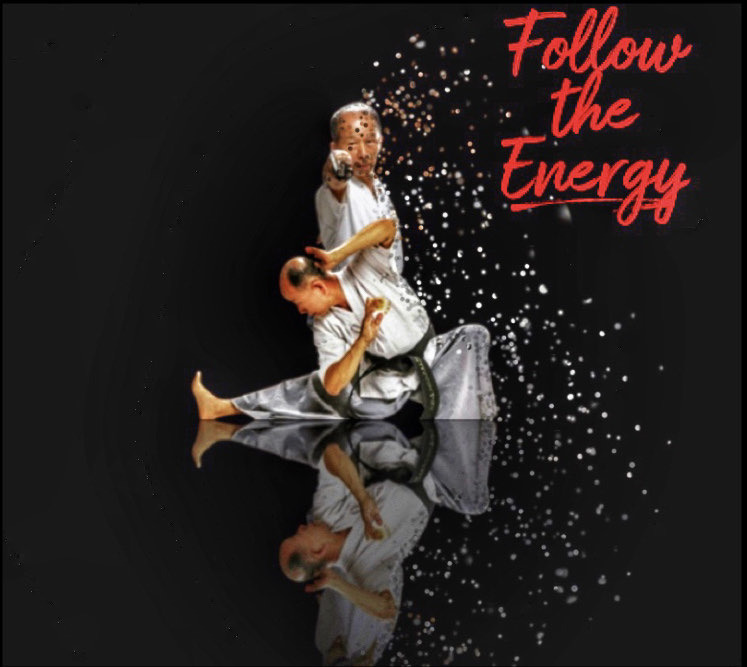
➤ Awareness of nature’s vibration (Follow the Energy)
➤ Dissolution of intention
➤ Vibration of Ki flowing in a state of Mu-Wi (Non-Doing)
➤ Resonance with nature’s wavelength
➤ Unity of breath, body, and nature
➤ Connection of Heaven–Earth–Human in one flow
➡ This level of practice entirely surpasses traditional Japanese martial arts
or any training focused solely on physical technique.
📘 Part 4 — East Asian Context & Conclusion
VIII. The Philosophical Superiority and East Asian Position of Jinyoung Ssangkum Ryu
1. An Integrated Structure that Surpasses Traditional Sword Arts
Traditional martial frameworks separate technique, form, and philosophy.
Jinyoung Ssangkum Ryu unifies them into one continuous flow.
2. Comparative Integration of East Asian Martial Cultures
| Element | Japanese Samurai | Joseon Martial Arts | Jinyoung Ssangkum Ryu HK |
| 技 | Single-strike decisiveness | Form & balance | Circulation of body-Ki-nature |
| 理 | Bushido | Propriety, righteousness, mind study | Love of nature, Ki, Mu-Wi |
| 醫 | Absent | Partially present | Ki-Mu healing, vibration, circulation |
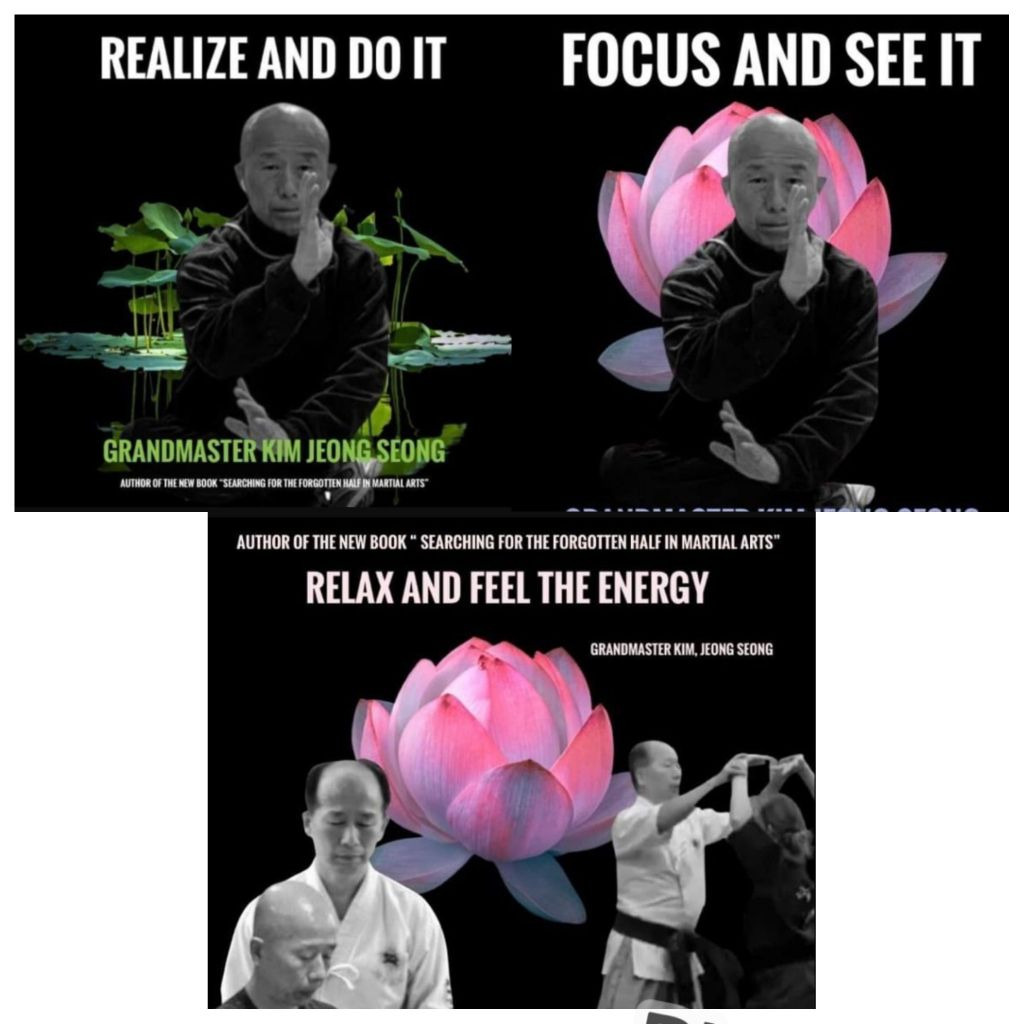
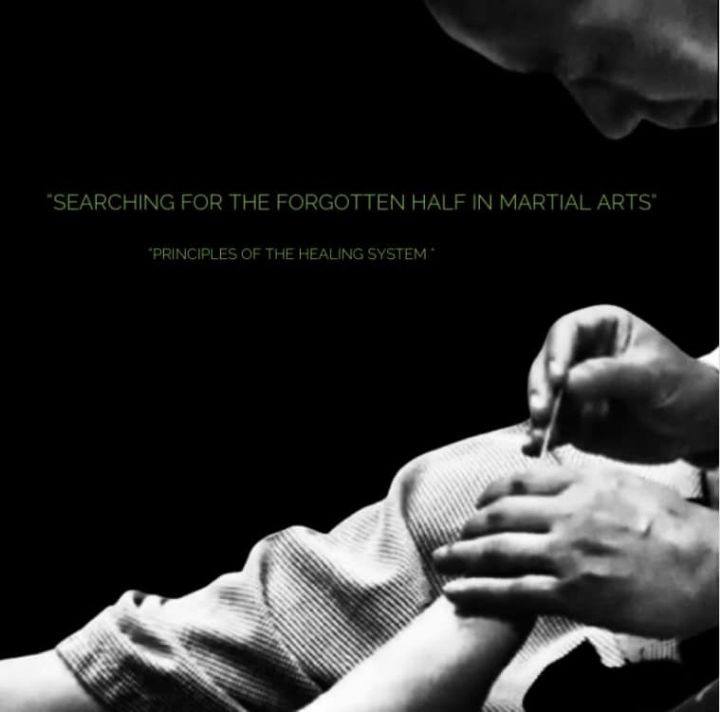
➡ As emphasized in Searching for the Forgotten Half in Martial Arts,
Jinyoung Ssangkum Ryu is the first martial system to complete an integrated structure based on the laws of nature.
3. Position in Civilizational Context
□ Korea → 文·禮 (civil & propriety centered)
□ Japan → 武 (martial force centered)
□ China → 理 (principle & doctrine centered)
Jinyoung Ssangkum Ryu is the first system to unify all three pillars
— body, Ki, and nature — into one framework.
4. Core Summary
✔ Overcoming the fragmentation of form, technique, and philosophy
✔ Structuring Ki, Mu-Wi, and natural vibration
✔ Realizing one flow of body, mind, and Ki
✔ A fully integrated martial philosophy for the 21st century
✔ “A principle that awakens the whole human being, beyond sword technique itself”
➡ For these reasons, Jinyoung Ssangkum Ryu is regarded as a Top-notch, Top-Elite martial art.
IX. Conclusion
Japanese samurai culture was centered on the martial (武),
while Korean Seonbi culture was centered on the civil (文).
A culture of Mun (文)
reduces killing, prioritizes human life, and sustains long-lasting states.
This philosophical DNA became the power that allowed Korea to rise again from deep poverty in the 20th century.
In summary, this writing clarifies:
➤ Japan developed a sword culture rooted in samurai warfare,
➤ while Korea fostered a Seonbi culture rooted in propriety, virtue, and scholarship.
The strength of this cultural foundation shaped modern Korea’s remarkable development.
Jinyoung Ssangkum Ryu revives the roots of Seonbi culture and the ancient spiritual philosophy of East Asia,
presenting the first integrated martial philosophy of the 21st century.
In some films and stories, one finds a seeker traveling through Japan and China in search of the Way (道),
only to discover it fully upon arriving in Korea.
The “Way” they find is the result of the virtues cultivated through thousands of years of Seonbi culture
— the very DNA that today generates the creativity and vitality behind K-Culture, K-Pop, K-Food, and K-Martial Arts.
With this understanding, the differences between the Japanese samurai sword tradition
and the Korean Seonbi sword tradition are now clear, based on their historical backgrounds and cultural philosophies.
From this perspective,
one can begin to develop a deeper understanding of the essence of martial arts through the integrated practice of technique, philosophy, and healing in Jinyoung Ssangkum Ryu Haedong Kumdo.
As the founder of Jinyoung Ssangkum Ryu HK,
I continue to fulfill this mission by sharing and teaching this art to countless people around the world.
In October I was in the United States,
and in November I travel to South Africa.
Each time I step onto the airplane stairway,
my heart feels renewed excitement —
a desire to grow more passionate, more courageous,
younger in spirit, and full of energy,
as I continue to see more of this world.
November 17, 2025 (Monday)
Jeong Seong, Kim
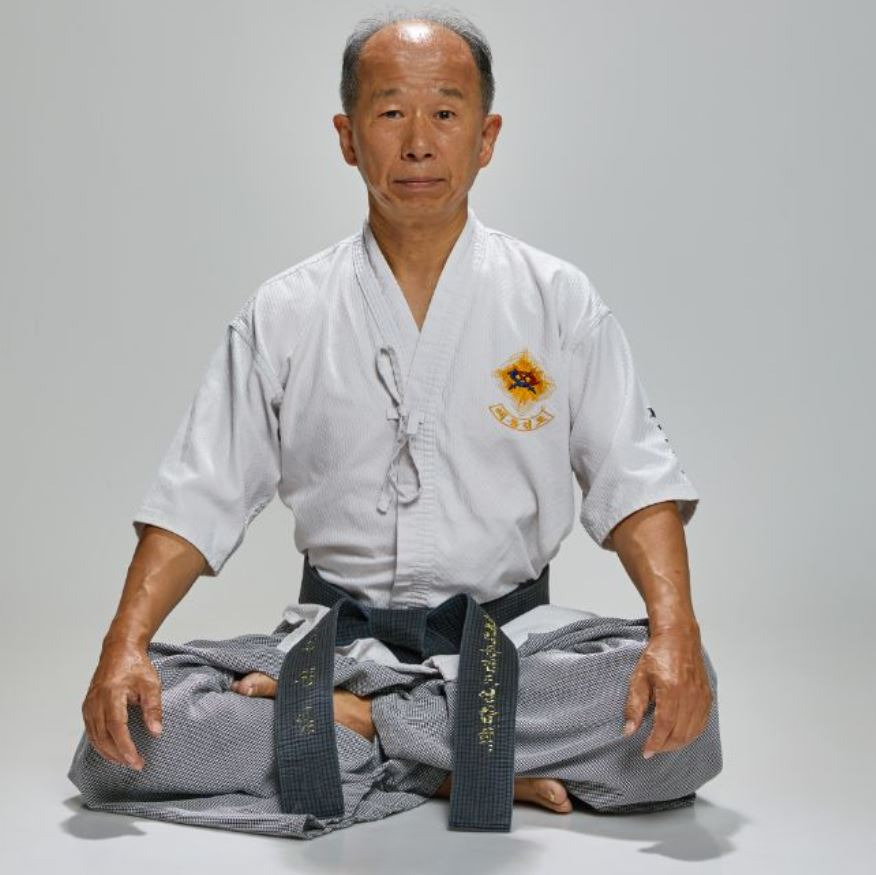
Founder of Jinyoung Ssangkum Ryu Haedong Kumdo
President, United World Haedong Kumdo Federation
Tags
#JinyoungSsangkumRyu #HaedongKumdo #KiMuTraining #ThreefoldPhilosophy #SamuraiCulture #SeonbiCulture #MartialArtsPhilosophy #EnergyFlow #FollowTheEnergy #IntegratedMartialPhilosophy
◆ Reference
The purpose and mission of Jinyoung Ssangkum Ryu can be found at:
https://m.cafe.daum.net/enlightenment-k/dcM5/322?svc=cafeapp

https://m.cafe.daum.net/enlightenment-k/dcM5/540?svc=cafeapp

https://m.cafe.daum.net/enlightenment-k/dcM5/457?svc=cafeapp

https://youtu.be/1pA_wnLKj7M?si=umghZbOjppPPYuQX
https://youtu.be/2FifRQje7x0?si=wZpTAKb1EKFtlXHP
https://youtu.be/qf-zsDj2zmk?si=XA2rEnZevf9eHdRJ